


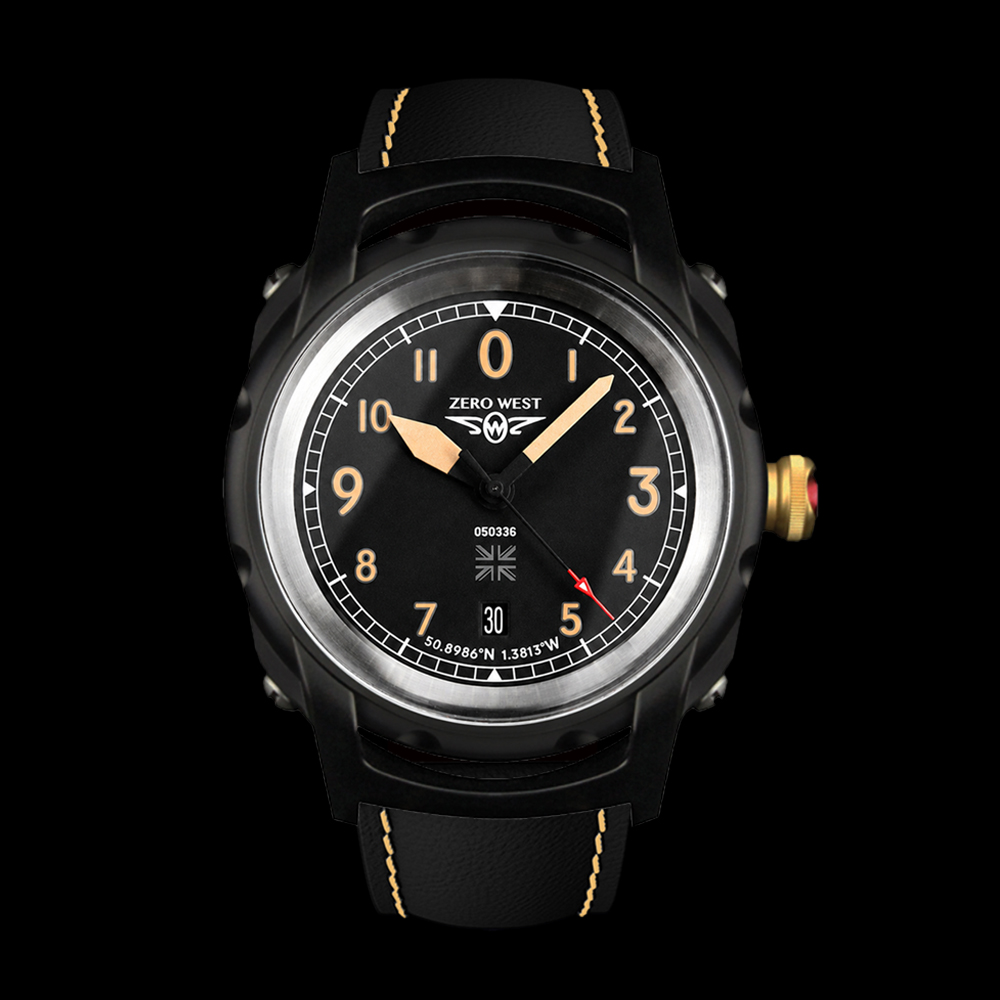
The S1 takes its inspiration from one of Britain’s greatest engineering achievements — Reginald Mitchell’s Supermarine Spitfire. Its design draws on the purposeful clarity of the aircraft’s cockpit, translating the instruments and controls of a 1930s fighter into a contemporary mechanical watch.
WHAT CONNECTS THE BATTLE OF BRITAIN, THE SOUND OF A MERLIN ENGINE, AN ICONIC FIGHTER AND AN INSTRUMENT WATCH?
MODEL:
S1 Instrument Watch
Dossier:
ZW-070 Spitfire
Date:
05/03/1936
Coords:
50.8986N – 1.3813W
Size:
44mm
Design:
Smith Cockpit Clock
Edition:
Limited to 100 pieces
Build:
Order and dispatched within 4 weeks
01
INSPIRATION & DESIGN
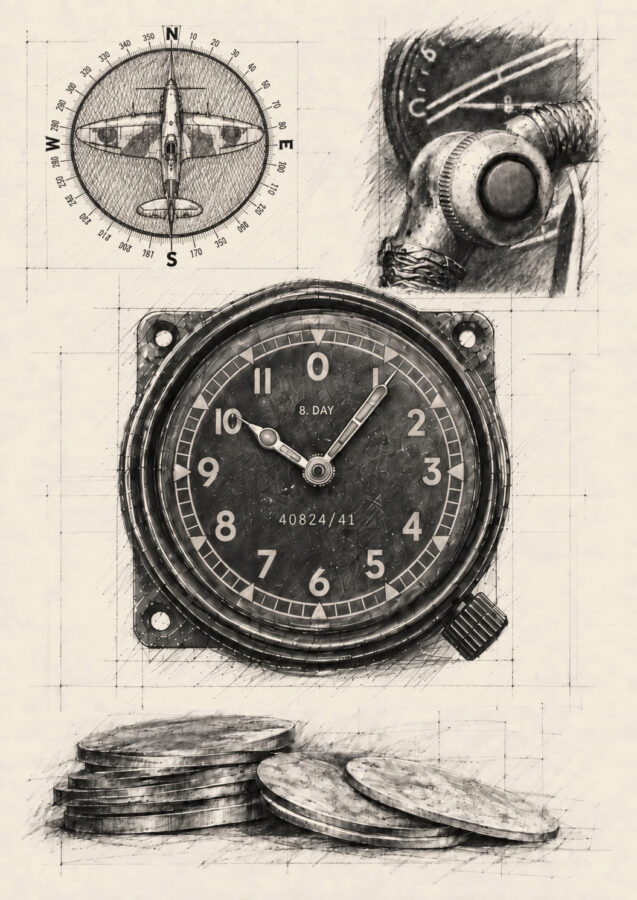
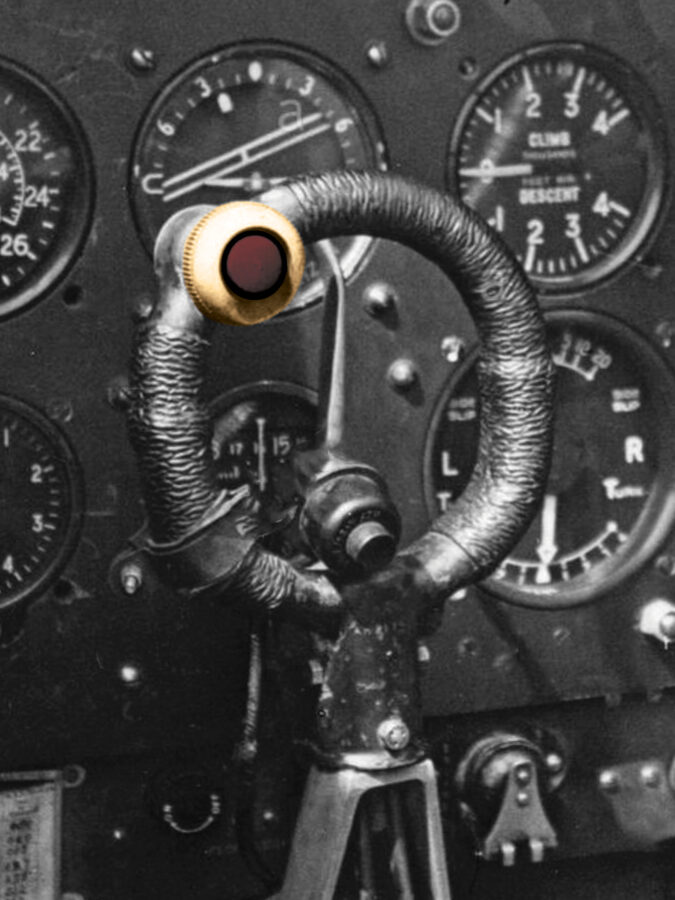
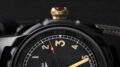
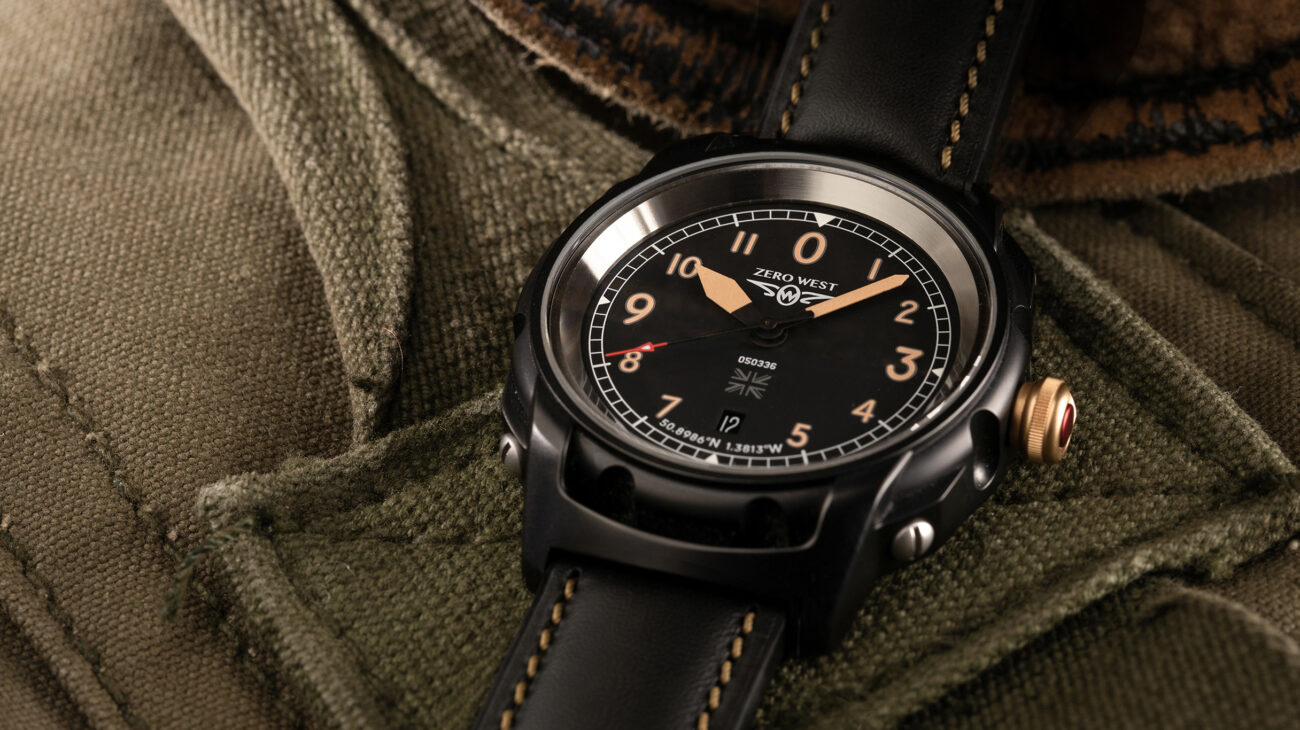
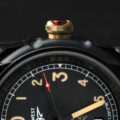
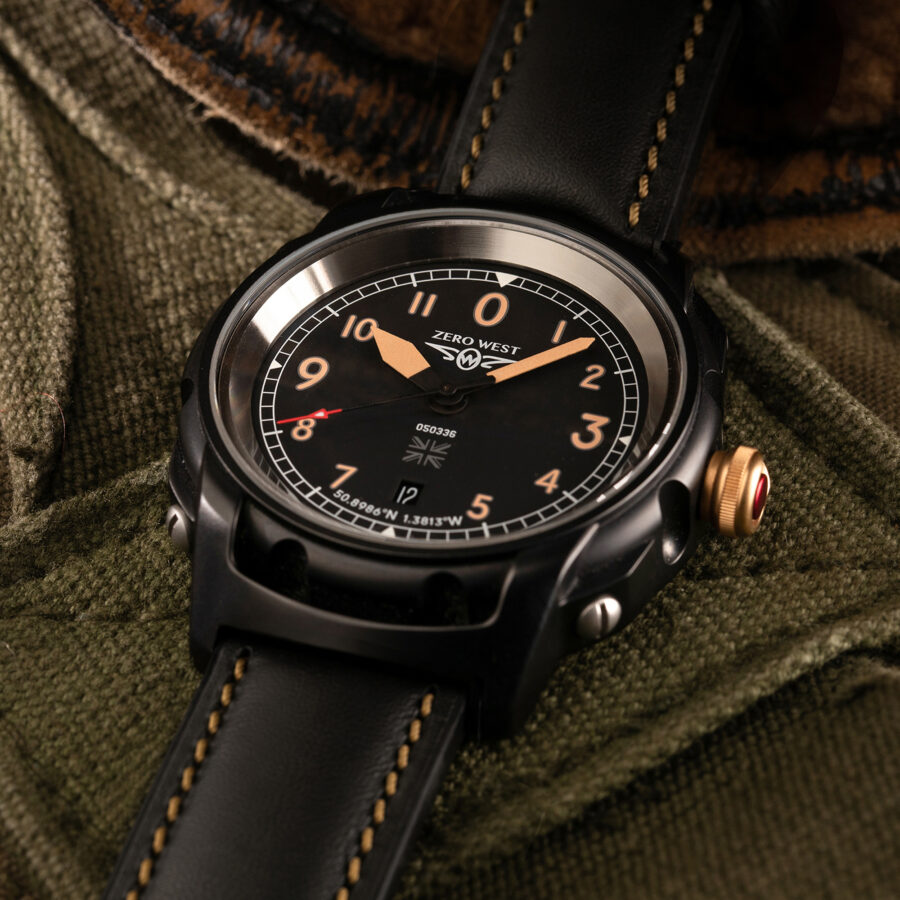
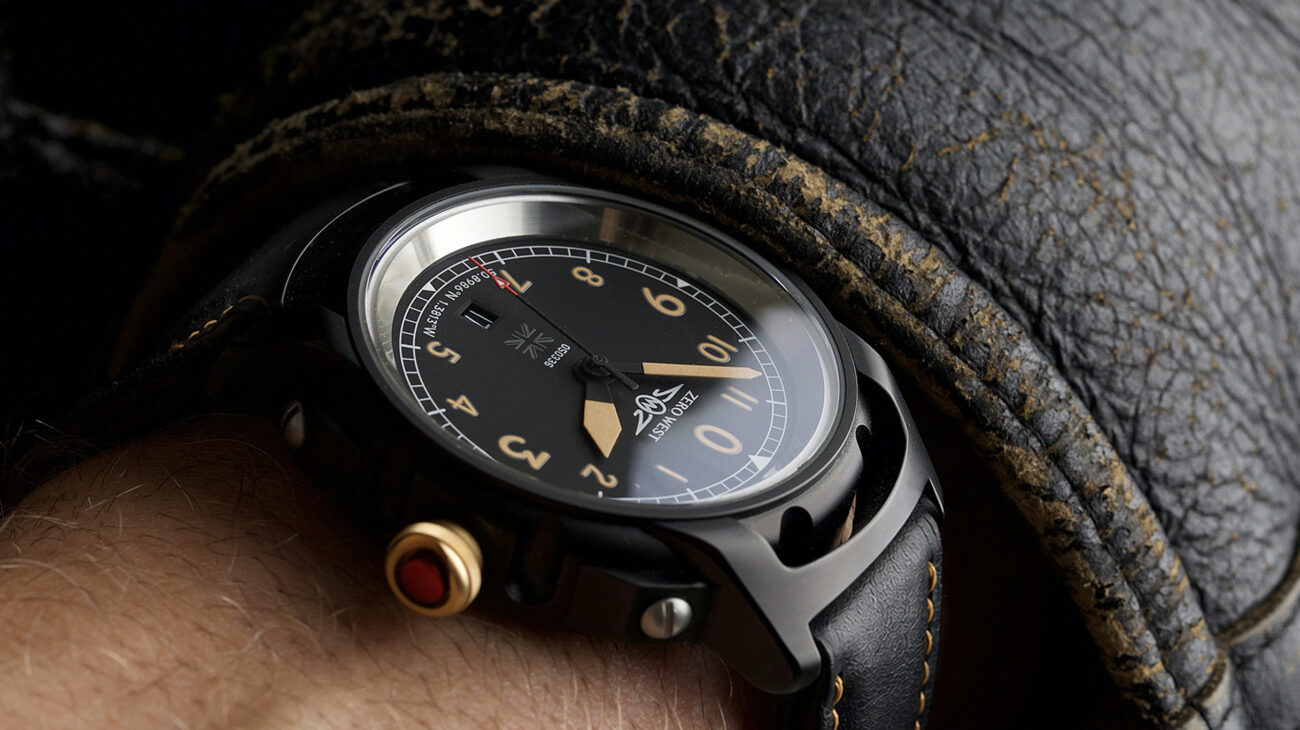
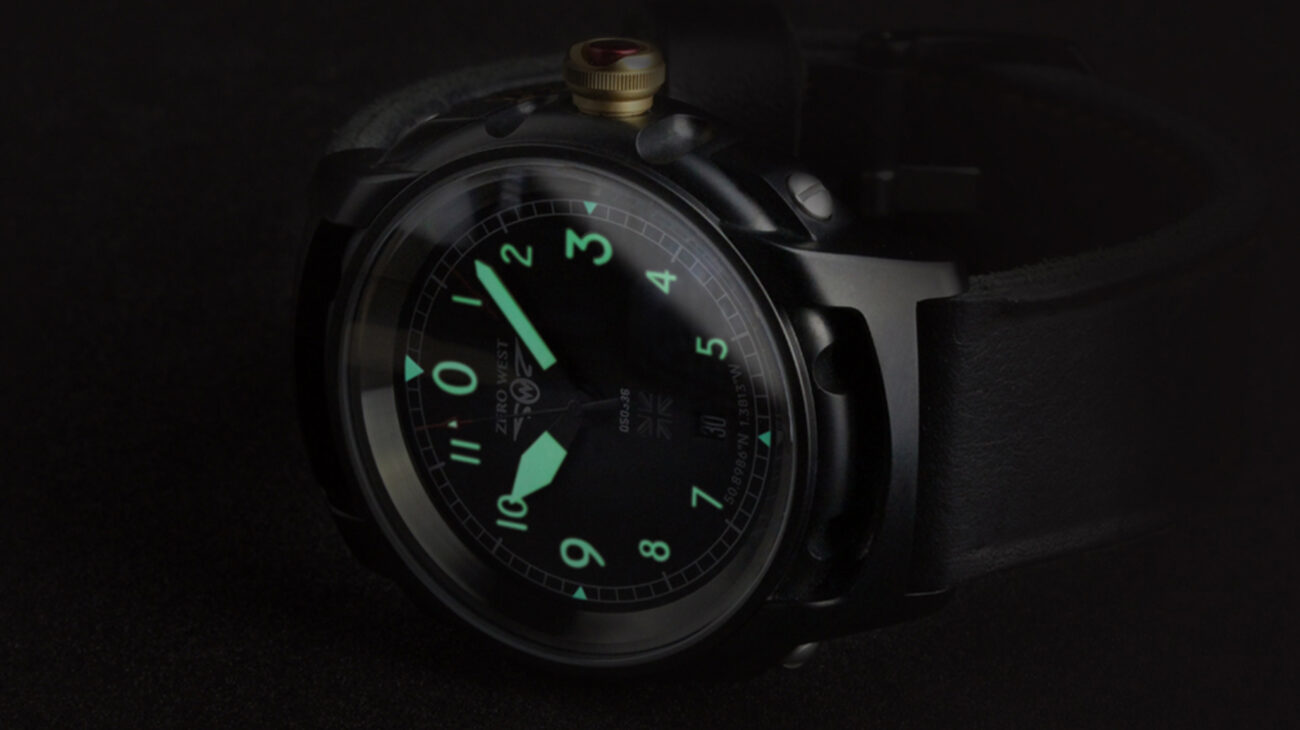
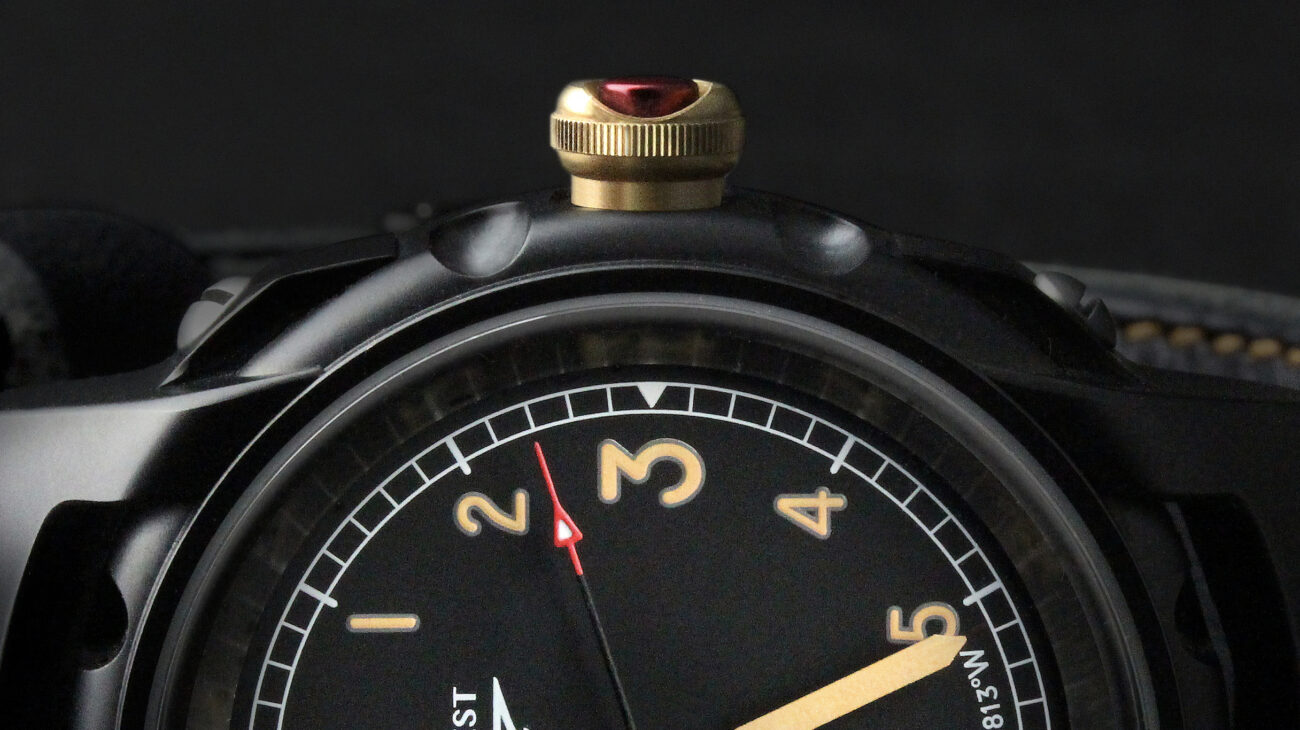
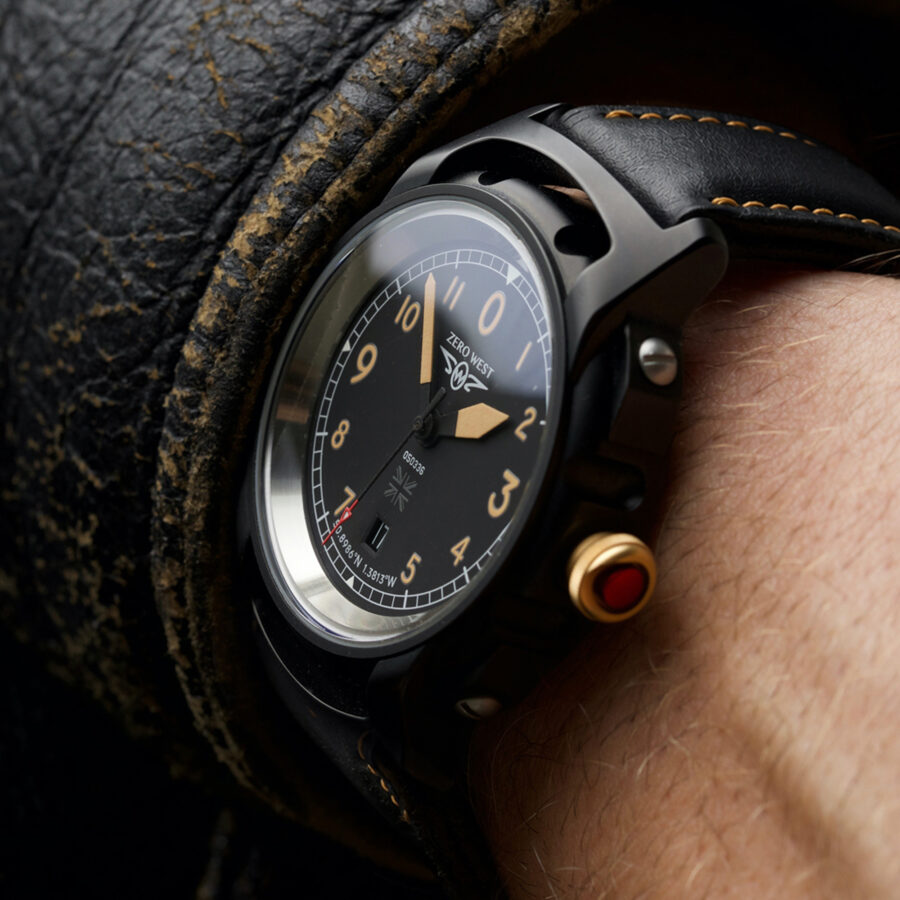
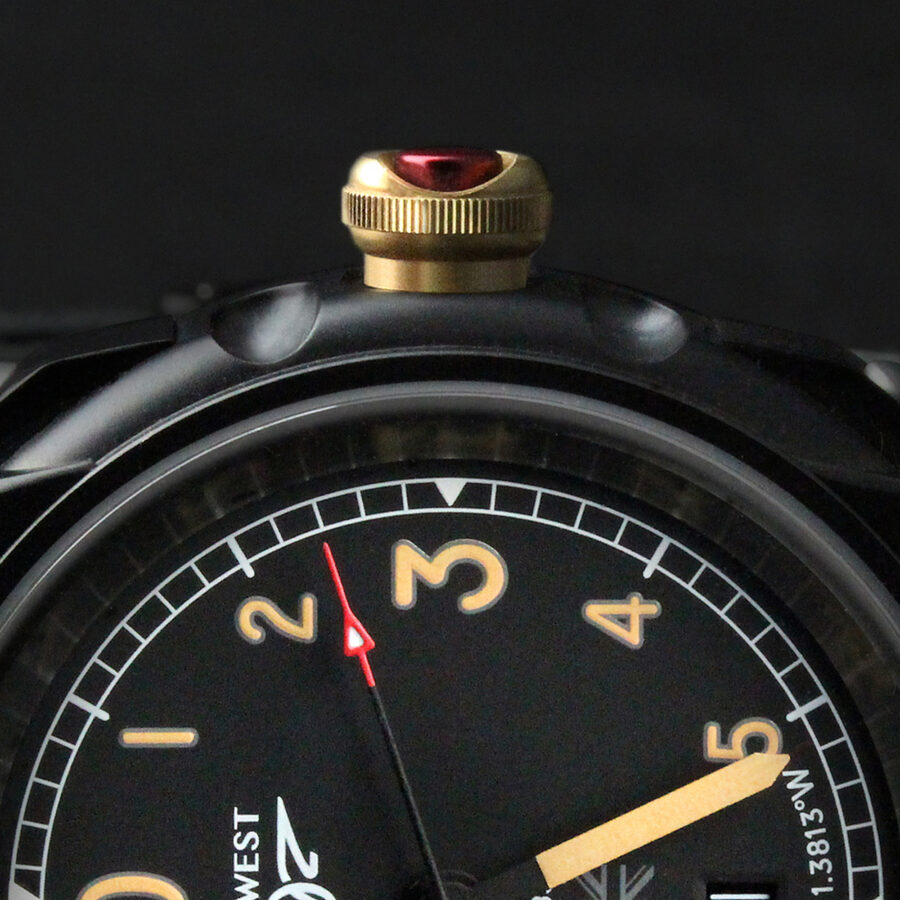
The black dial takes its cues from the Smiths cockpit clock, with period numerals, highly legible avionic hands and a red-tipped sweep seconds hand. The brass-finished locking crown is modelled on the firing button mounted on the Spitfire’s control column.
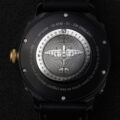
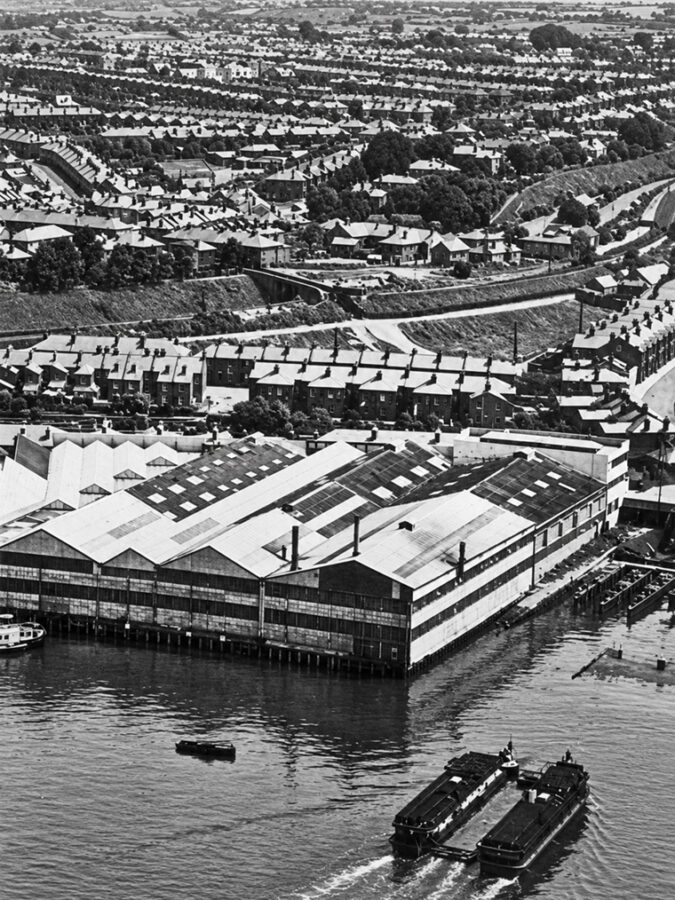
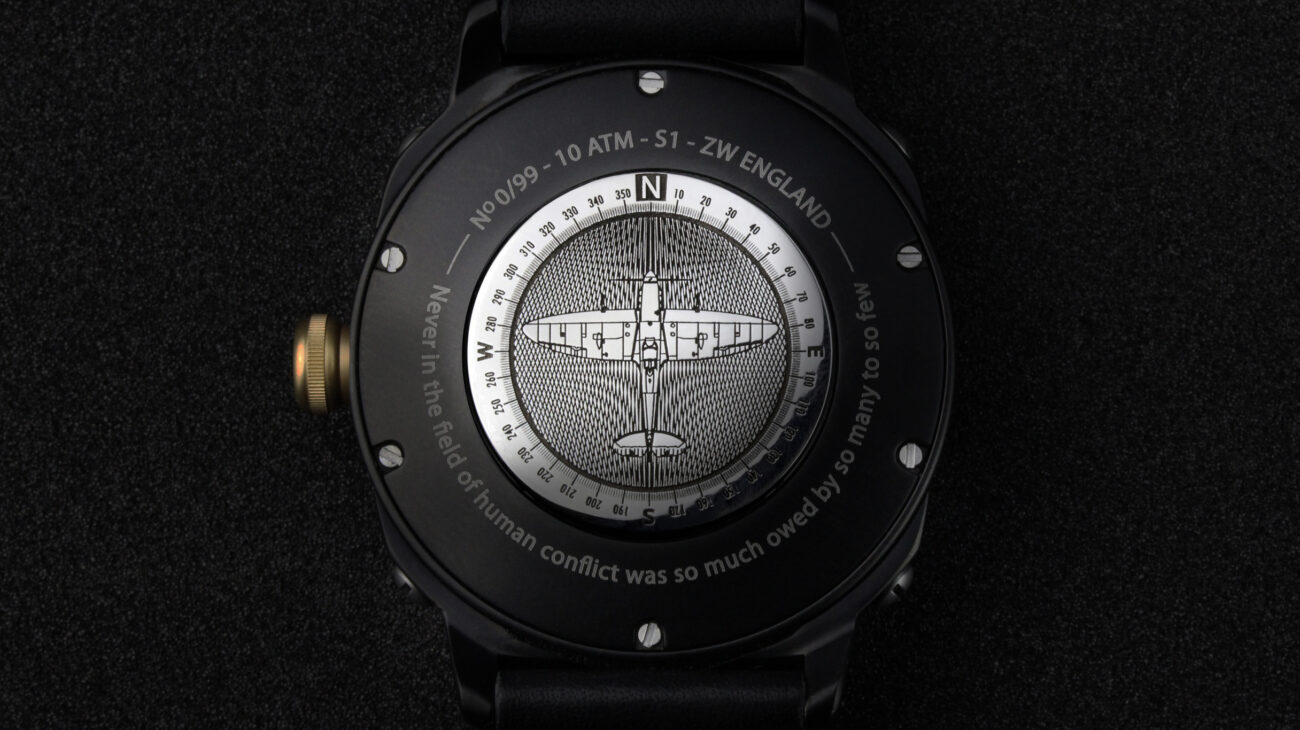
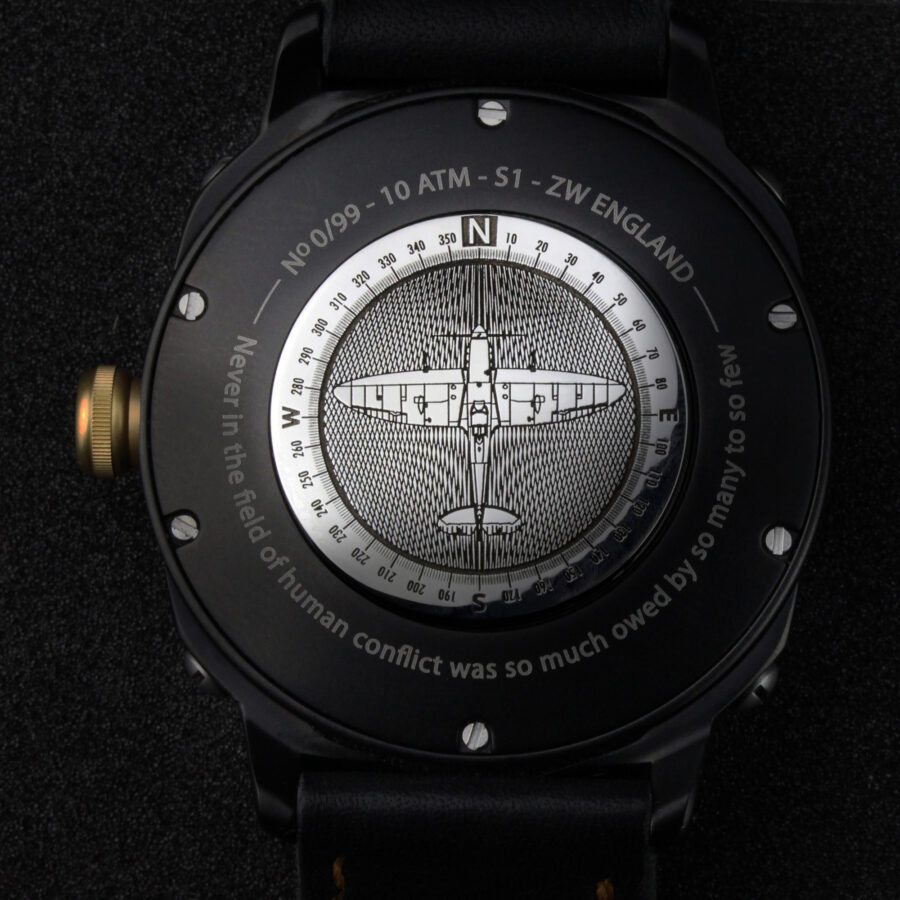
References continue through the watch: coordinates locate Supermarine’s Woolston works, while the date records the prototype’s historic first flight. On the reverse, an engraved Spitfire technical drawing sits within graphics derived from the P8 compass — engineering details that connect the S1 directly to its inspiration.
02
THE HISTORY
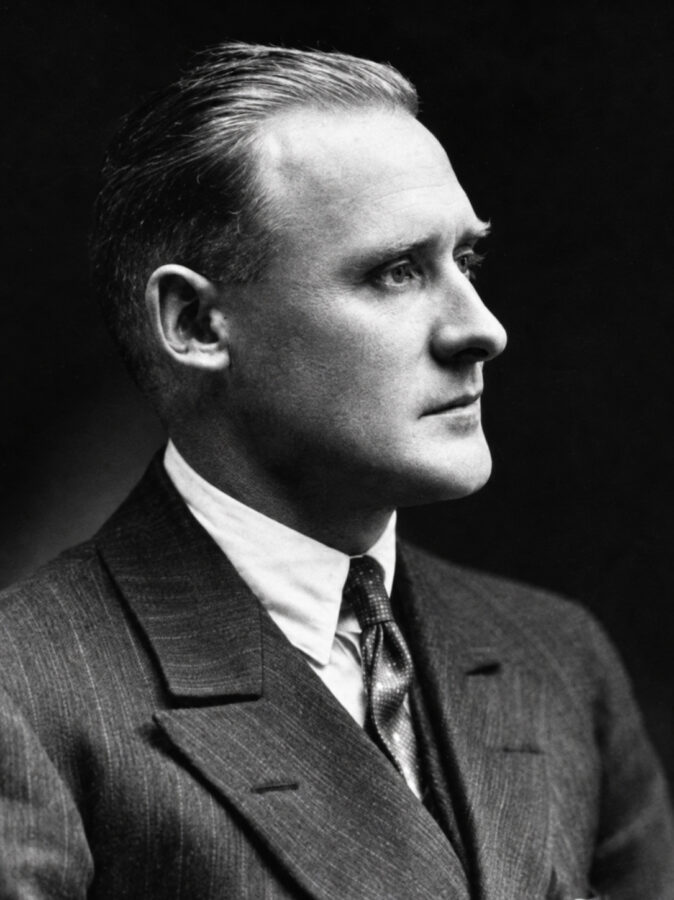
REGINALD J. MITCHELL
Reginald Joseph Mitchell joined Supermarine in 1917 and became one of Britain’s most influential aircraft designers. His work combined aerodynamic efficiency, speed and elegant engineering — principles that would culminate in the aircraft for which he would forever be remembered: the Supermarine Spitfire.
RACING BREEDS INNOVATION
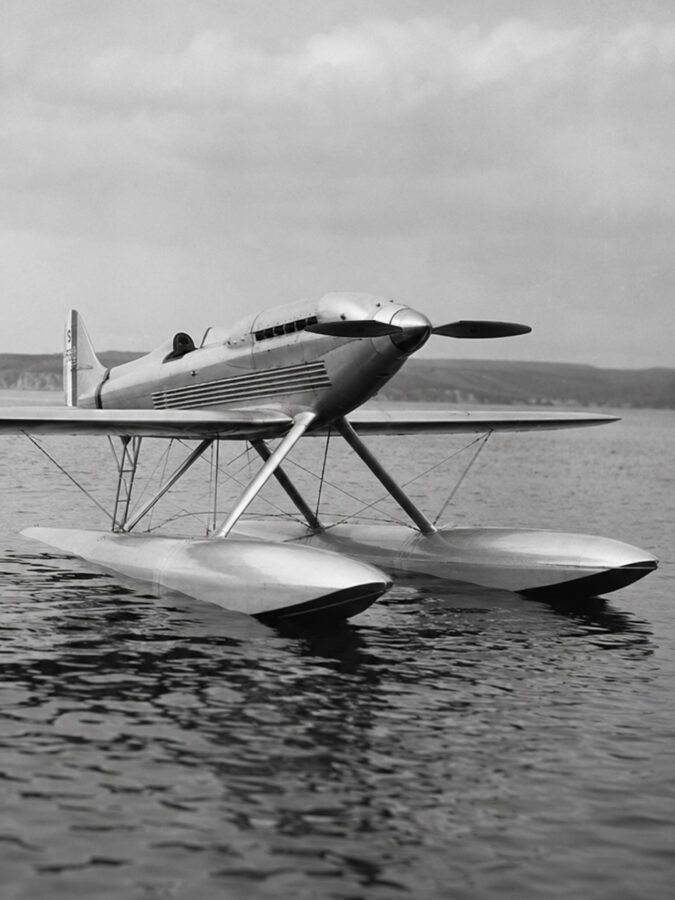
Before the Spitfire came a succession of extraordinarily fast Supermarine racing seaplanes. Mitchell’s S.6B won the 1931 Schneider Trophy and pushed aircraft design towards cleaner aerodynamics, advanced metal construction and ever greater speed. The lessons learned through racing helped shape what followed.
THE SPITFIRE TAKES SHAPE
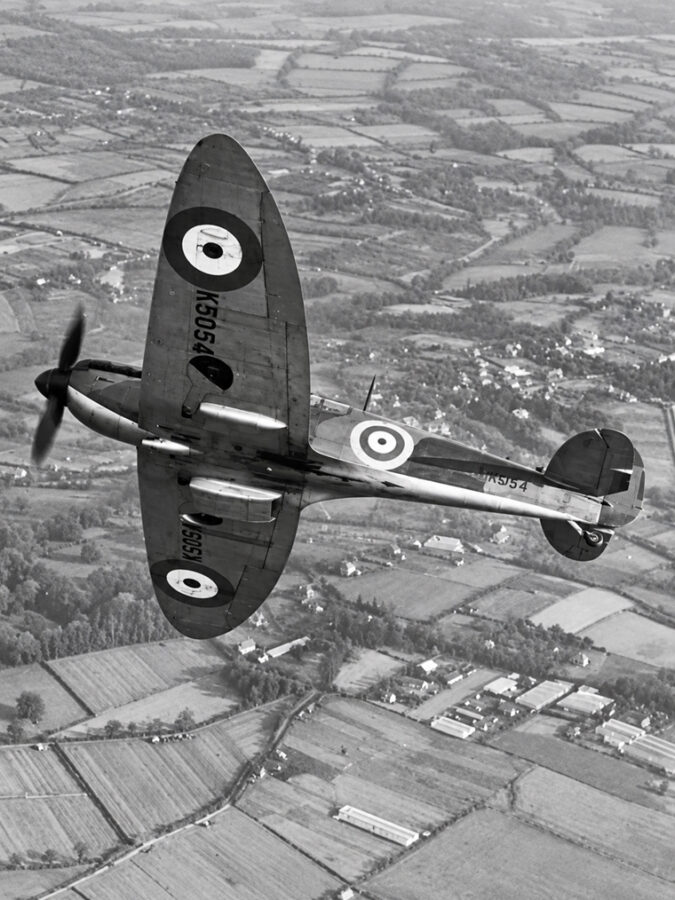
Mitchell and his team developed a radically improved fighter around the Rolls-Royce Merlin engine, retractable undercarriage, enclosed cockpit and an exceptionally thin elliptical wing. Its distinctive form was not simply beautiful; reducing drag while accommodating the aircraft’s structure and armament was fundamental to its performance.
K5054 — FIRST FLIGHT
On 5 March 1936, prototype K5054 lifted from Eastleigh Aerodrome with Vickers chief test pilot Captain Joseph “Mutt” Summers at the controls. The Spitfire had flown for the first time. Three months later, the Air Ministry ordered 310 aircraft.
INTO RAF SERVICE
The first production Spitfire entered RAF service with No. 19 Squadron at Duxford in August 1938. Pilots quickly discovered an aircraft combining exceptional performance with superb handling. By the outbreak of war, the Spitfire was becoming an increasingly important part of Fighter Command.
THE BATTLE OF BRITAIN
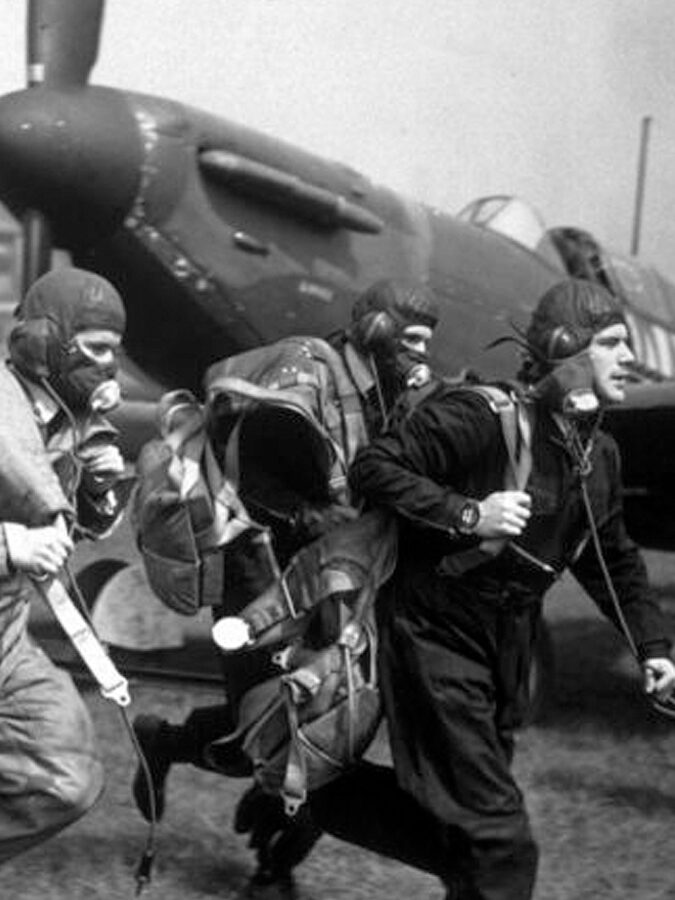
During the summer of 1940, the Spitfire became inseparable from the defence of Britain. Although the more numerous Hurricane carried much of the fighting, Mitchell’s fighter could meet the formidable Messerschmitt Bf 109 on equal terms and captured the imagination of a nation.
AN ENGINEERING ICON
The Spitfire continued evolving throughout the war, its adaptable airframe accepting increasingly powerful engines and numerous roles. More than 20,000 were eventually built. Its elliptical wings, Merlin engine and unmistakable silhouette have since made Mitchell’s creation an enduring symbol of British engineering.
03
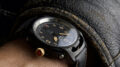
S1 GALLERY
04
S1 SPECIFICATION
- Latitude and Longitude reference the Woolston Spitfire factory
-
Date code references the maiden flight from Eastleigh Aerodrome
- Dial design based on a Smith cockpit clock
- Crown modelled on the joystick gun platform fire button
- Watch back disk insert engraved with Spitfire technical drawing surrounded by the graphics from a P8 compass
- Hand-assembled, regulated, and tested in-house
- Five-axis, aerospace grade 316L stainless steel machining
- 44mm diameter
- 14.1mm thick
- 22mm lug width
- 49.6mm lug to lug pin spacing
- 44mm diameter, black PVD, 316L stainless steel billet, with eight machined flutes
- Match machined, black PVD, 316L stainless steel DSL lugs
- Black PVD back with inset polished 316L stainless steel engraved disc
- Custom double curved domed sapphire glass with blue AR coating on the internal surface
- SW200-1
- 28,800vph
- 25 jewels
- Self-winding ball bearing rotor
- Date function
- Power reserve ~38 hours
- Water resistance: 10ATM (100m) 100% tested
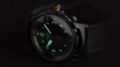
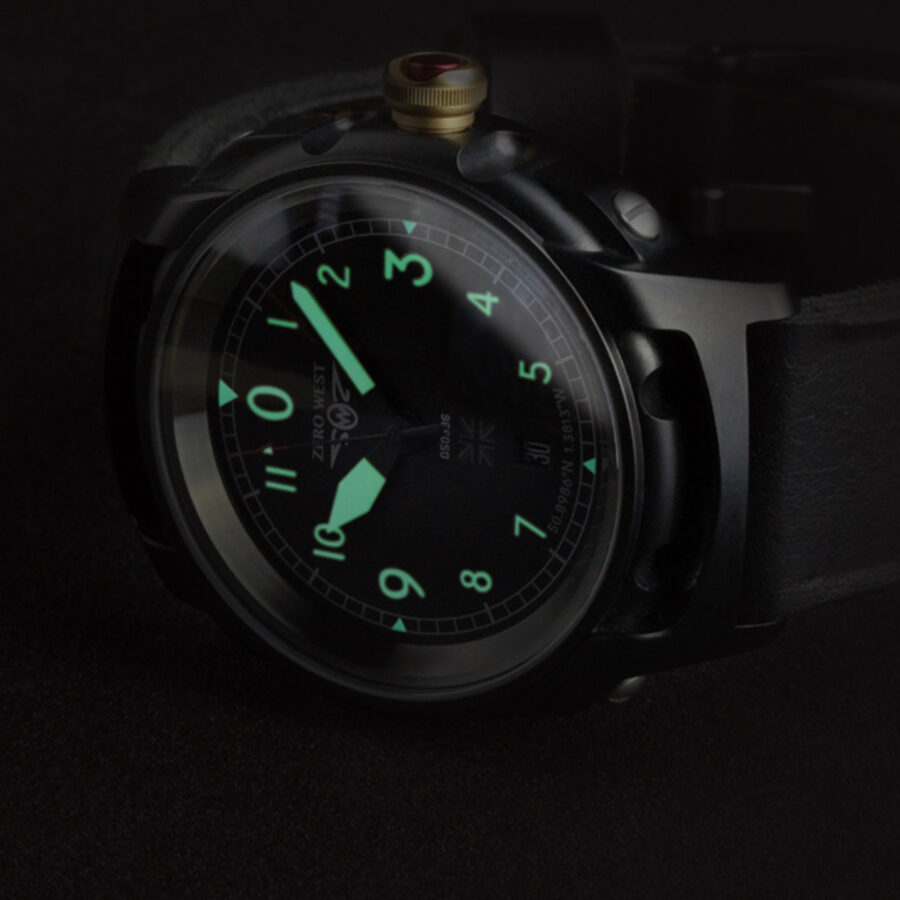
- Black over brass substrate with over printed vintage dial numerals and aviation indicators highlighted in SuperLuminova X1 luminous pigment
-
Black leather strap 22/20mm. Handmade with the finest Italian leather and hypoallergenic lined. Zero West black engraved pin buckle. Available in standard size 175mm-220mm
05
Order the S1 Spitfire
S6e Spitfire Escape
BUILT TO TAKE FLIGHT – Inspired by aviation, engineered for everyday wear. The S1 combines instrument-first clarity with robust mechanical construction and unmistakable Spitfire character. From early departures to final approaches, it keeps time with precision, purpose and quiet confidence.
£2,750.00
Delivery within 4 Weeks
Free Delivery
Delivery within 4 Weeks
Includes all import-duty and local taxes. No additional fees.
Delivery within 4 Weeks
Excludes local taxes & duties. Learn More
BUILT TO ORDER

BRITISH ENGINEERING

30 DAY RETURNS

2 YEAR WARRANTY