

By Graham Collins | Co-founder and Designer, Zero West Watches
By Graham Collins | Co-founder and Designer, Zero West Watches
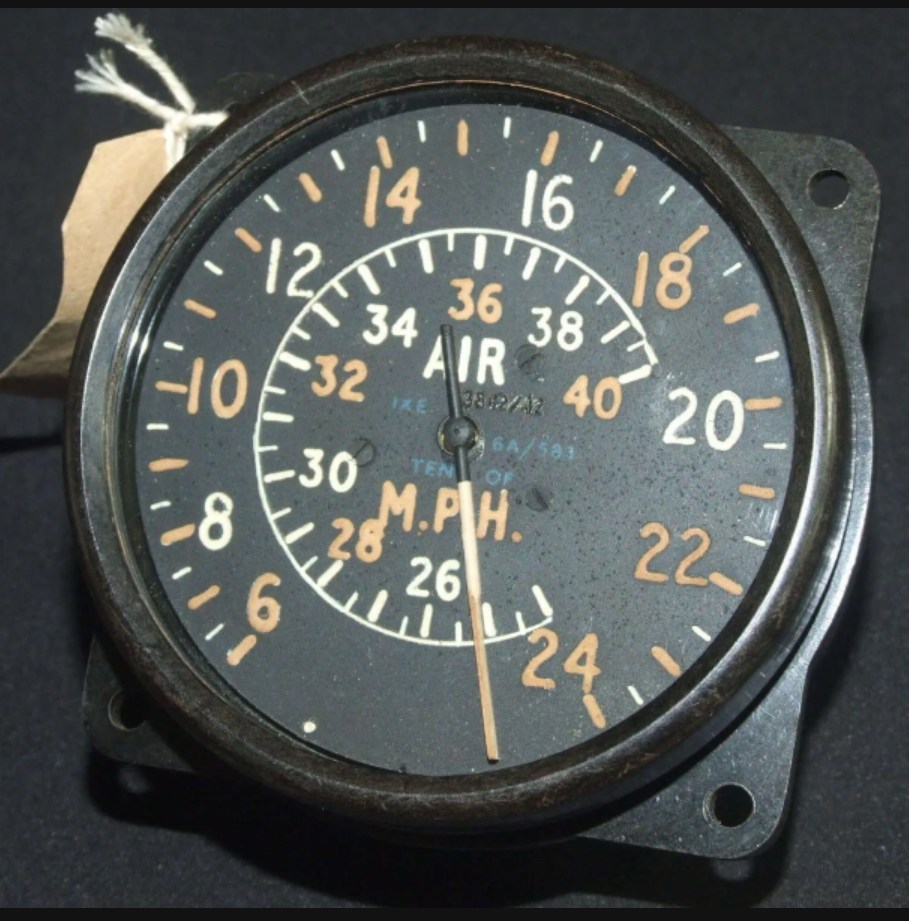
I grew up in Britain in the 1960s, surrounded by the legacy of an extraordinary period of engineering. The Second World War was still a recent memory. The Spitfire, Hurricane and Lancaster were familiar names, and like countless boys of my generation, I spent hours building Airfix models, reading aviation magazines and imagining the machines behind the photographs.
But it wasn’t simply the aircraft that fascinated me. It was the ingenuity that had created them. The elliptical wing of the Spitfire, the extraordinary wooden construction of the Mosquito, the immense presence of the Vulcan. Later came Concorde, the Jaguar E-type, Aston Martin and the racing cars of Lotus.
These machines were developed to solve demanding engineering problems, yet many possessed an elegance and individuality that went far beyond their technical purpose.
I was particularly drawn to the people responsible for them. R. J. Mitchell, Malcolm Sayer, Sir Stanley Hooker, Sir Frank Whittle, Colin Chapman and Hubert Scott-Paine. Engineers, designers and entrepreneurs whose imagination and determination helped shape the modern world.
Stanley Hooker’s contributions to aero-engine development were extraordinary, from the Rolls-Royce Merlin to the jet engines that followed. Scott-Paine helped establish Supermarine and its involvement in the Schneider Trophy competitions. Malcolm Sayer brought his understanding of aerodynamics to Jaguar, creating some of the most beautiful motor cars ever produced.
What fascinates me is what these people achieved with the tools available to them. Drawing boards, slide rules, logarithmic tables and a profound understanding of mathematics and physical principles.
They could imagine something that didn’t yet exist, understand how it might behave and then find a way to make it work. That ability has always been the quality I most admire in an engineer.
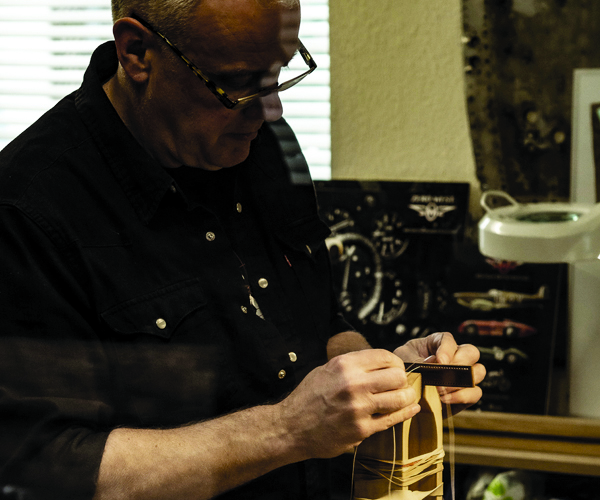
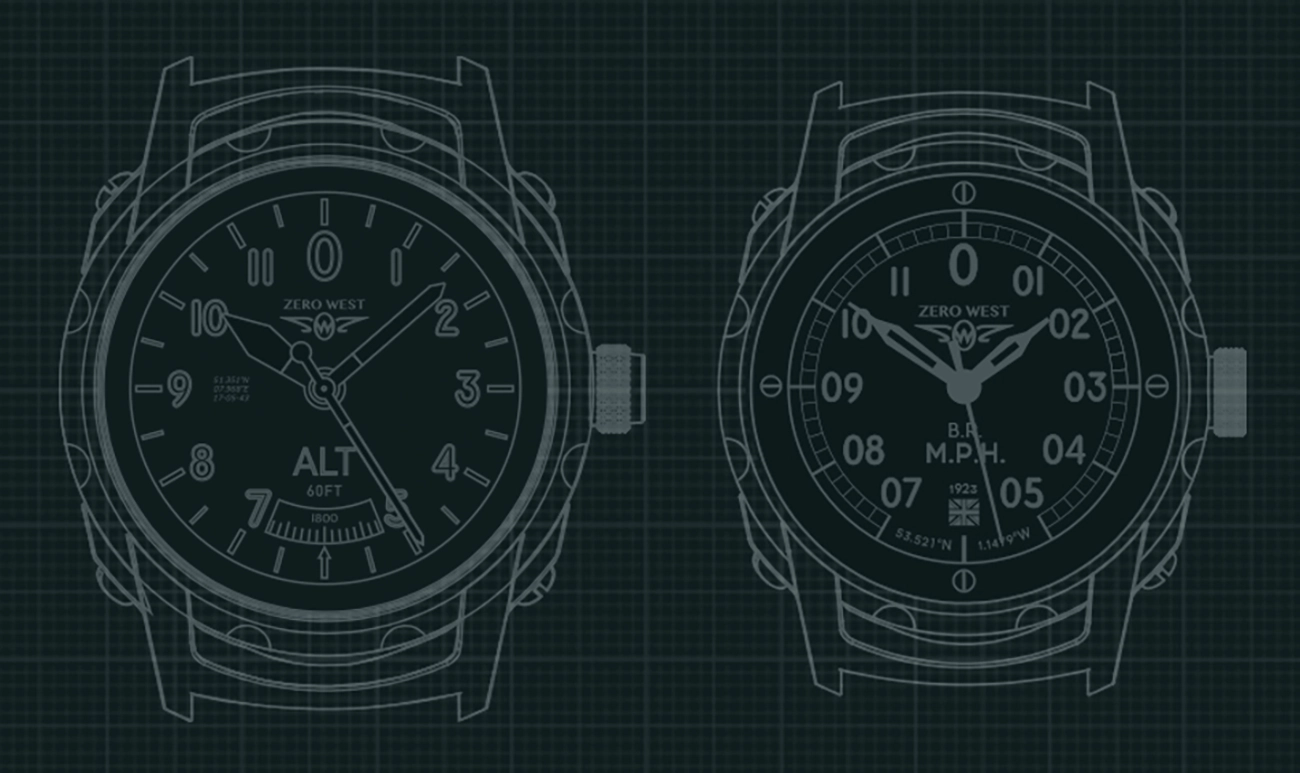
I began my own engineering career on a drawing board. Before computer-aided design, you had to understand an object before you could draw it.
Working in third-angle projection meant visualising a complete three-dimensional assembly and accurately representing it through a series of two-dimensional views. You needed to understand the components, their relationships, their interfaces and how the finished mechanism would function.
The drawing was simply the means of communicating something that already existed in your mind. That discipline developed a particular way of thinking, and it’s stayed with me throughout my career.
When I’m designing something today, I can see it before it ever appears on a computer screen. I can mentally walk through an assembly, examine its components, understand their interfaces and visualise how everything fits together. I can anticipate manufacturing problems, mechanical relationships and the consequences of changing a particular feature.
In a sense, I can inhabit the design before it exists. And I don’t just see how something works. I see its proportions, its surfaces and its balance. The engineering and the aesthetics develop together.
Adrian Newey is someone whose approach I particularly admire. We attended the same university at around the same time, and I’ve followed his extraordinary career with great interest.
Despite the immense computational resources available in modern Formula One, Newey has remained closely associated with the drawing board. He appears to possess an almost instinctive understanding of aerodynamics, an ability to visualise how air will behave around a surface before the detailed analysis begins.
Leonardo da Vinci demonstrated something similar centuries earlier. He studied water, vortices and the movement of fluids, recognising patterns in nature long before modern fluid mechanics provided the mathematical explanations.
It’s an intuitive understanding of the physical world. Not guesswork, but knowledge and experience so deeply absorbed that they become instinctive.
Modern computer-aided design is an extraordinary tool, and I use it extensively. But the computer doesn’t generate my designs. It helps me develop, refine and communicate ideas that have already begun to take shape in my mind.
As software and artificial intelligence become increasingly capable, I think it’s important that we don’t lose that fundamental understanding. A calculation can tell you whether something works. It doesn’t necessarily tell you whether it’s an intelligent or elegant solution.
For me, design begins with understanding.

My education as an engineer didn’t end at university or in the drawing office. I was fortunate to work alongside men whose careers reached back into some of the most remarkable chapters of British aviation history.
Engineers who had worked on Concorde. Craftsmen with experience of Supermarine and the great British aircraft companies. People who had spent their lives solving difficult engineering problems with little more than practical knowledge, experience and ingenuity.
One colleague had even been a wartime bomber pilot. I remember sitting with these men at lunchtime, fascinated by their stories. They spoke about aircraft, engineering problems, manufacturing methods and the personalities they had encountered.
To me, these were extraordinary stories from another age. To them, it was simply their working lives.
I hadn’t worked on those great aircraft programmes myself, but I had the privilege of learning from people who had. And that knowledge becomes part of you.
You absorb the experiences of earlier generations, their approaches to solving problems, their successes and their mistakes. Over time, it influences how you think and how you work.
I sometimes describe it as becoming part of my DNA. It’s a cliché, perhaps, but I think it captures something important. We inherit more than technical knowledge from the people who teach us. We inherit a way of looking at the world.
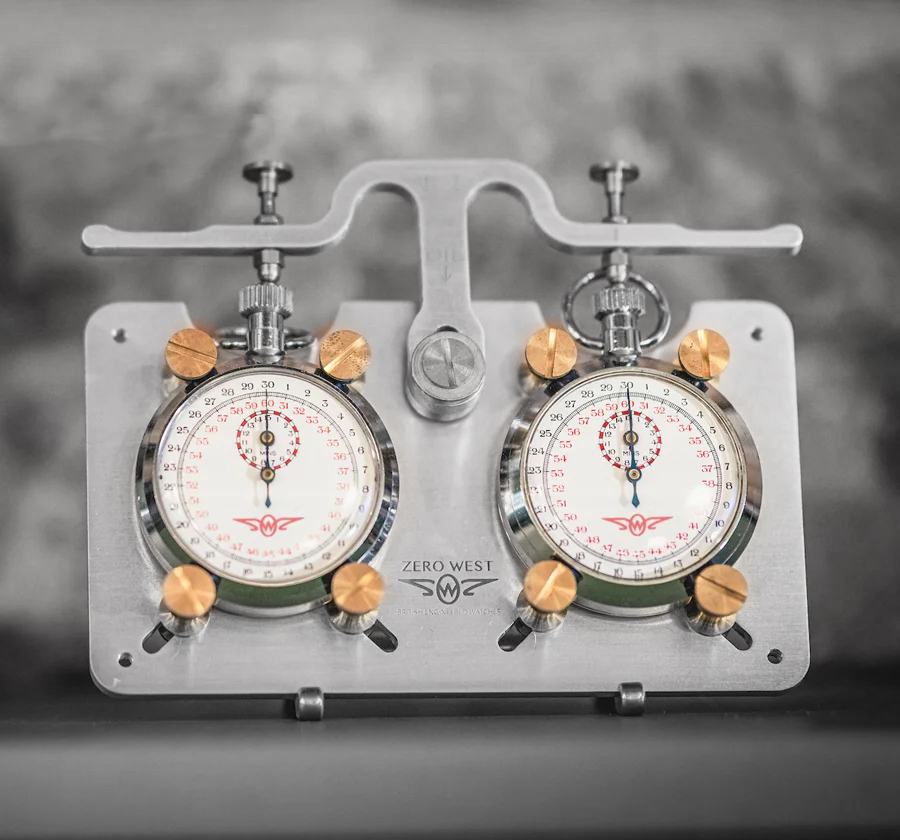

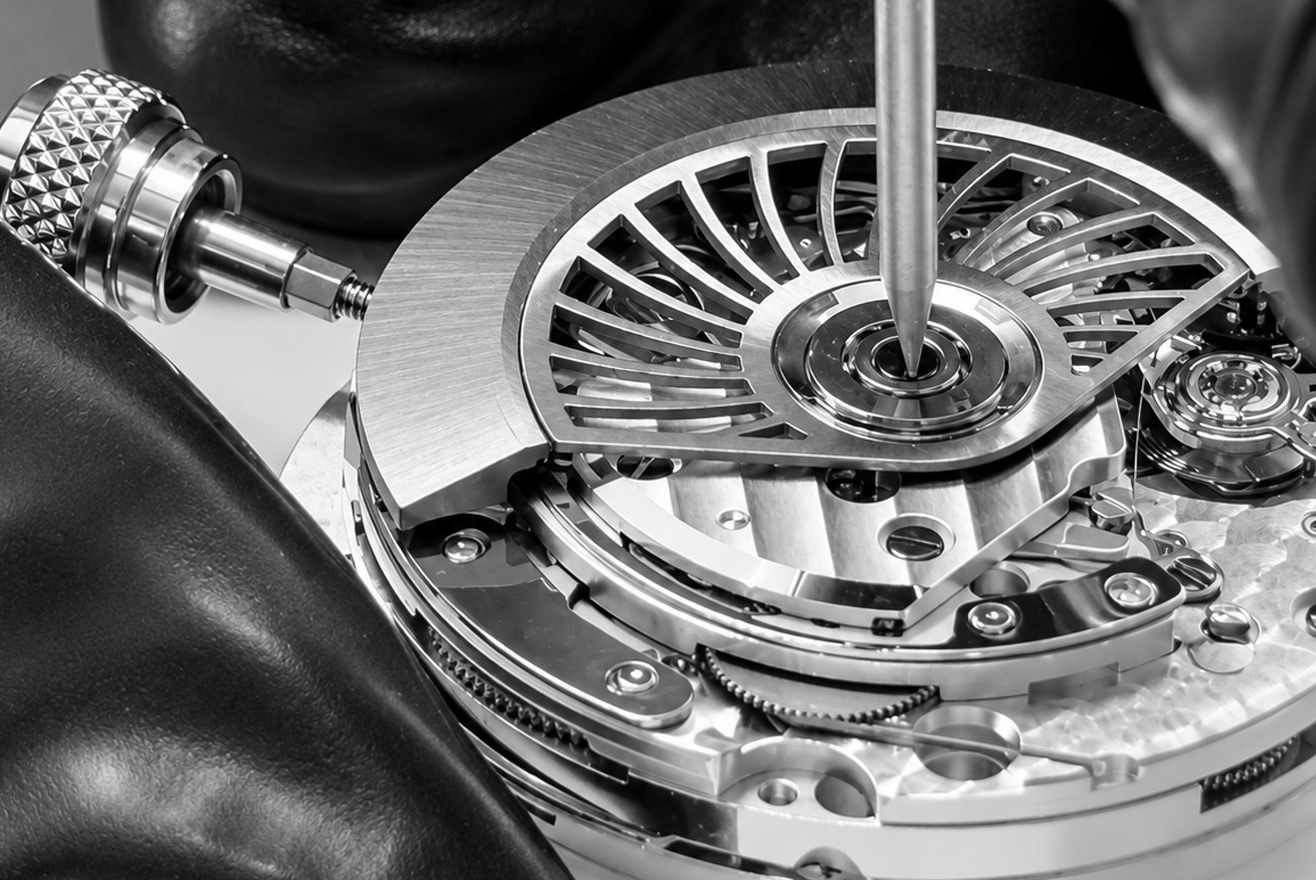
Of all the achievements of mechanical engineering, the accurate measurement of time is one of the most extraordinary.
Time governs our lives, yet it’s something we cannot see, touch or control. We can only measure its passage. And for centuries, the ability to measure it accurately presented enormous challenges. One of the greatest was the problem of determining longitude at sea.
In the eighteenth century, navigators could establish latitude through astronomical observations, but longitude was considerably more difficult. The solution depended upon knowing the difference between local time and the time at a known reference meridian.
Because the Earth rotates through fifteen degrees of longitude every hour, accurate timekeeping offered a practical means of determining position. But maintaining that accuracy aboard a moving ship, through changing temperatures and difficult conditions, was an extraordinary engineering challenge.
John Harrison, a self-taught English clockmaker, devoted decades to solving it. His remarkable marine timekeepers, culminating in H4 in 1759, demonstrated what could be achieved through ingenuity, perseverance and precision mechanical engineering.
Alongside other advances in navigation, this work helped transform the reliability of long-distance voyages. Accurate timekeeping became an enabler of exploration.
That connection between time, engineering and human achievement has always fascinated me. And it’s the inspiration behind our Longitude collection.
The watches acknowledge an extraordinary chapter of British history, but they also connect something we wear on our wrists today with a much larger story.
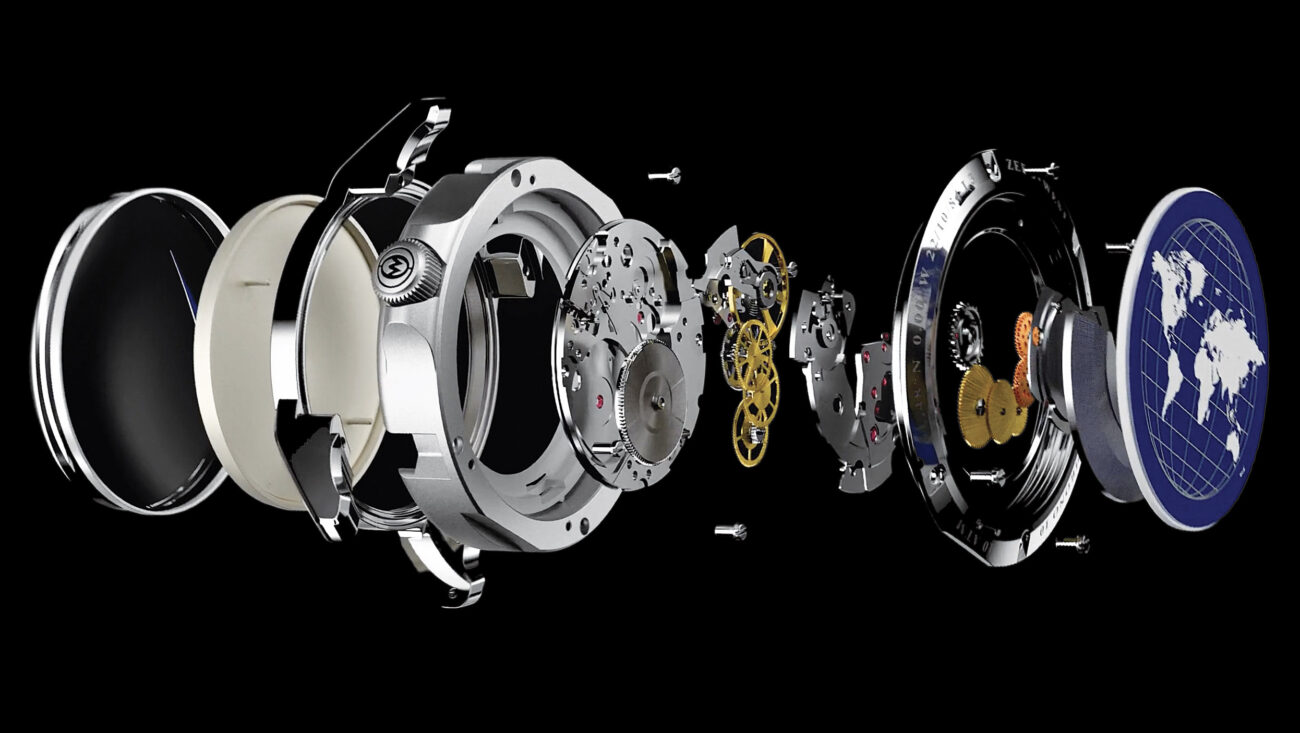
There’s something remarkable about the mechanical wristwatch. Its fundamental architecture has changed relatively little in more than a century.
A movement to measure time. A dial and hands to display it. A case to protect the mechanism. And a means of attaching it to the wrist. Yet within that apparently simple arrangement lies an extraordinary piece of engineering.
Energy stored in a mainspring passes through a carefully designed gear train. An escapement controls its release, while the balance and hairspring regulate the movement.
Tiny components work together continuously, maintaining their performance despite changes in position, temperature and the everyday demands of being worn. All of this happens inside a mechanism small enough to sit comfortably on your wrist.
Of course, quartz watches are generally more accurate, and a mobile phone will tell you the time whenever you need it. But neither diminishes my admiration for the mechanical watch. It’s a miniature machine that measures time through the interaction of physical components.
And unlike so many modern products, it can be maintained, repaired and kept working for decades, potentially generations. That is an extraordinary quality in an increasingly disposable world.
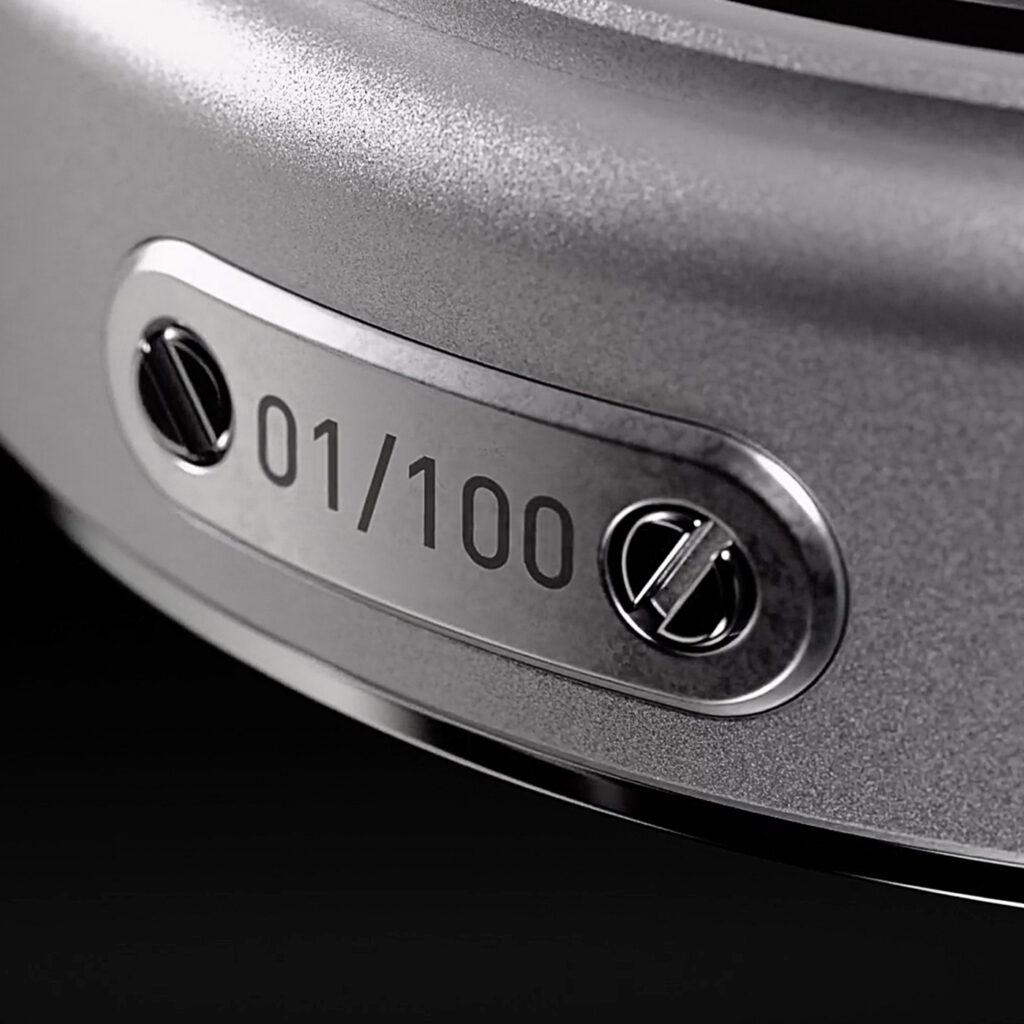
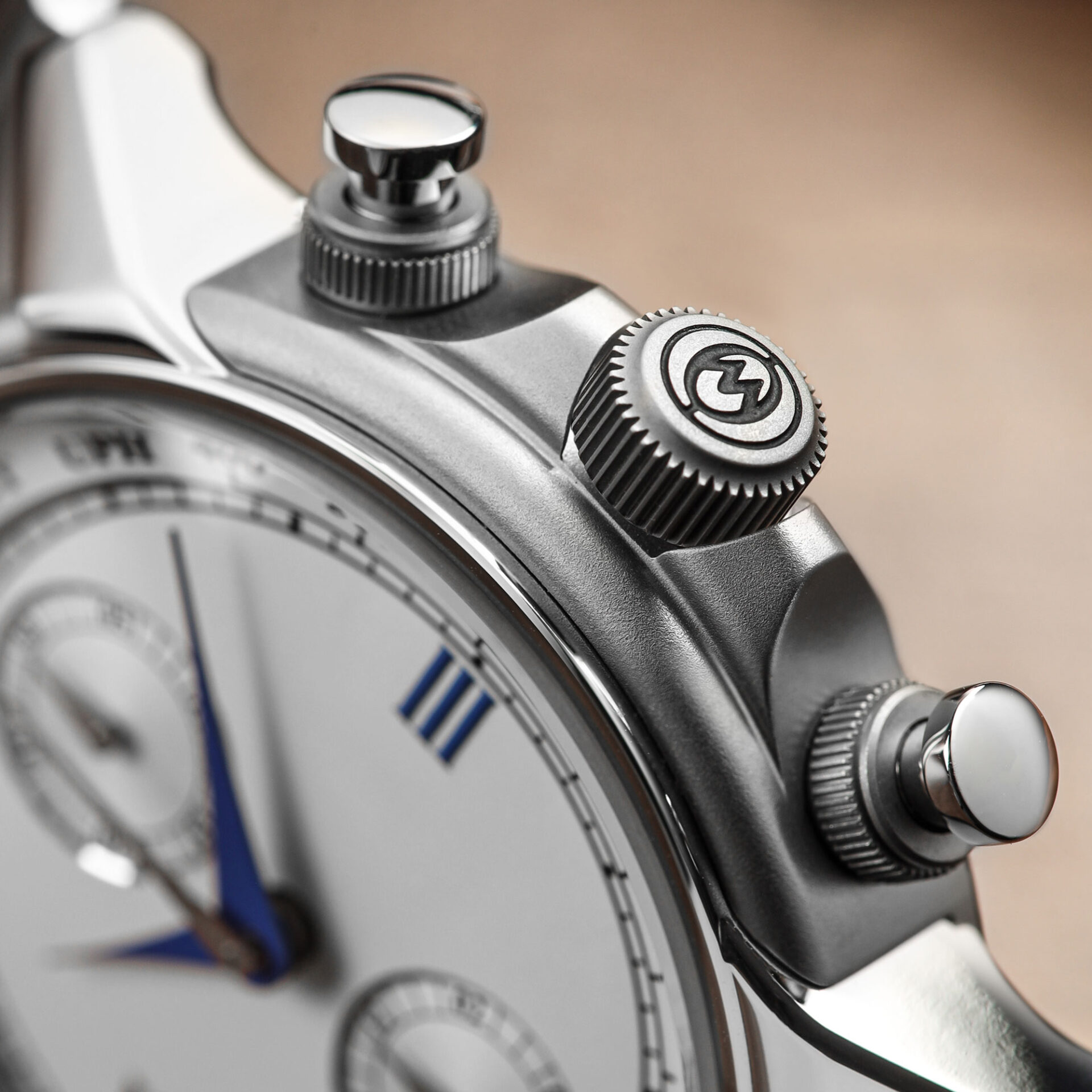
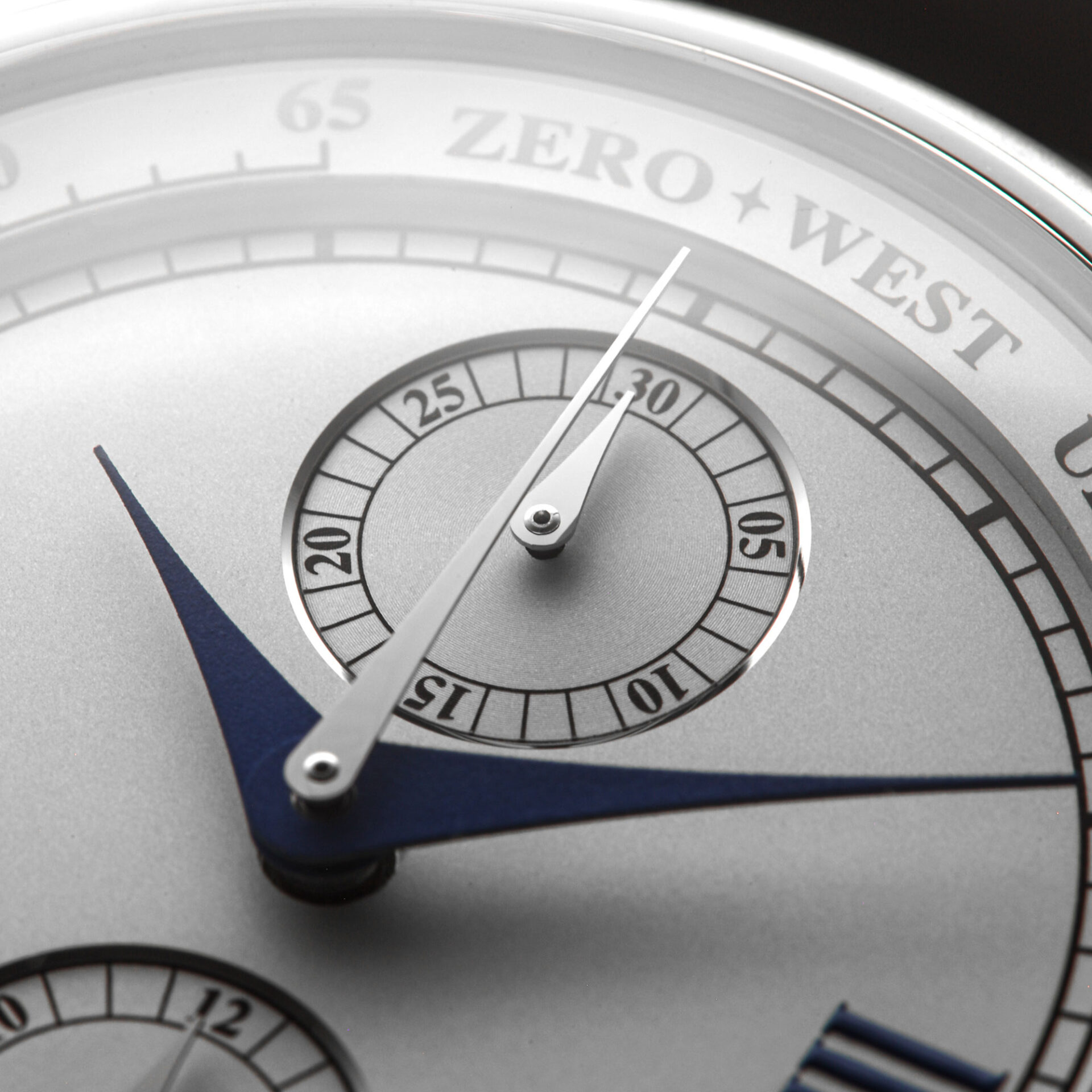
For me, the wristwatch offers an almost perfect opportunity to combine mechanical engineering with individual design expression.
Its fundamental purpose is established, but there is enormous freedom in how that purpose is achieved. The proportions of the case. The geometry of the lugs. The crown, bezel, dial and hands. The materials, finishes and mechanical details.
And, critically, how the finished watch feels on the wrist. These are not separate considerations.
A watch can look beautiful in a photograph but be uncomfortable or impractical to wear. It can be exceptionally robust yet so bulky that it loses much of its elegance.
I want to achieve a balance between those extremes. A watch robust enough to withstand the rigours of everyday life, yet elegant enough to wear on any occasion.
An instrument that feels purposeful without appearing unnecessarily complicated. Individual without being eccentric for the sake of it.
Practical elegance.
Those two words describe much of what I try to achieve. And it’s not simply an aesthetic exercise.
The construction, materials, tolerances, movement, regulation and assembly are all part of the same design process. A watch must work properly, feel right and continue to perform its purpose.
The engineering matters just as much as the appearance.
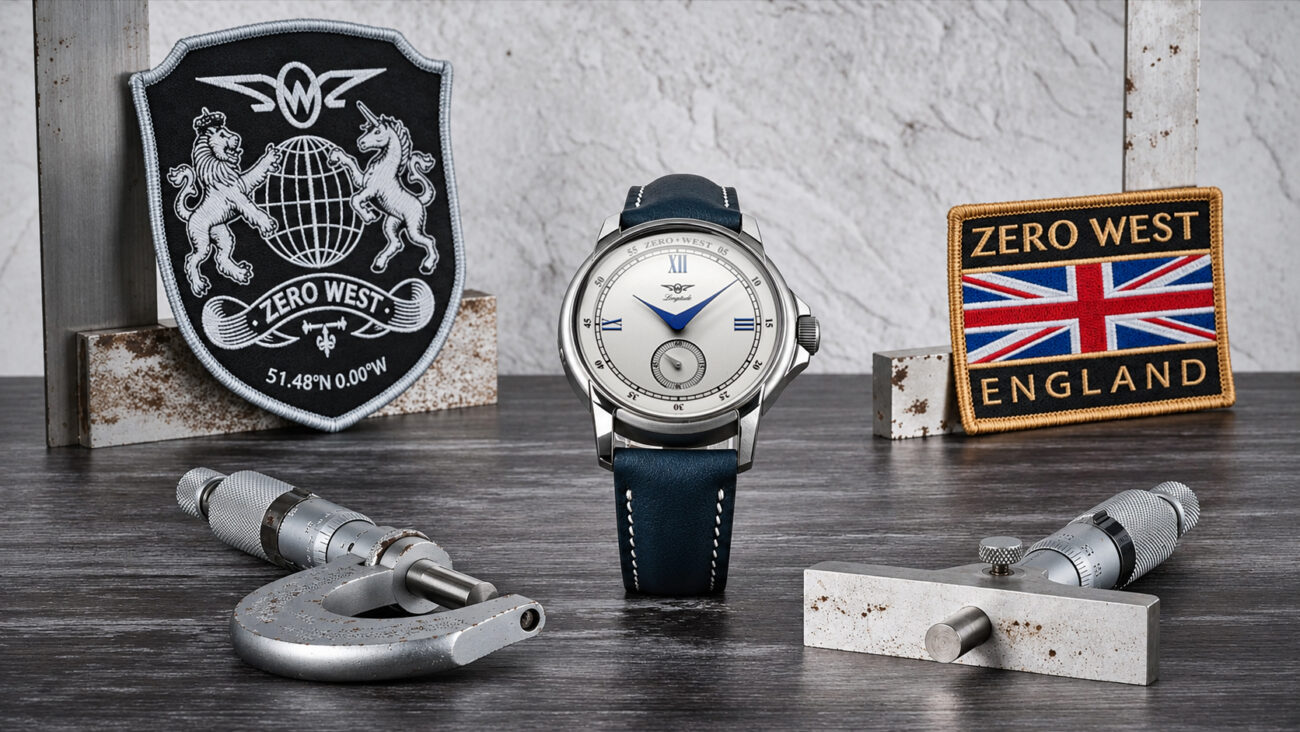
When I look at the watches we’ve created at Zero West, I see the interests and influences that have accompanied me throughout my life. Aviation, motorsport, exploration, British history and mechanical ingenuity.
These aren’t subjects we’ve chosen simply because they make interesting marketing stories. They’re things I’ve been fascinated by for decades.
The Spitfire, Mosquito, Vulcan and Concorde. The racing cars and great British sports cars. The achievements of John Harrison and the pioneers of navigation.
Each represents something I admire about engineering, invention or human endeavour. And each offers a starting point for a watch design.
Sometimes that connection is expressed through the visual character of the watch. Sometimes through its detailing, materials or construction. And where appropriate, we incorporate authentic historical material associated with the subject.
A fragment of an aircraft or a component connected to a significant engineering achievement can create a tangible link with the past. I find that particularly meaningful.
But the history must never become a substitute for the watch itself. First and foremost, it has to be a beautifully resolved mechanical timepiece. Something that works, wears comfortably and has the quality to endure.
We design our watches in Britain and hand-build them in England, using proven Swiss mechanical movements. That combination makes sense to me.
We’re not trying to reinvent a movement for the sake of being different. We’re taking established, dependable mechanical engineering and creating something individual around it.
The design, construction, proportions, detailing and performance all receive the same consideration.
I don’t design watches for the mass market. There are countless excellent watches available from British and international brands, each reflecting different tastes, priorities and design philosophies.
I have no interest in suggesting that ours are the only right answer. But I do believe they offer something personal.
They reflect my experience, my interests and my understanding of engineering. And I hope that individuality comes through not simply in how a Zero West looks, but in how it performs, how it feels on the wrist and the thought that has gone into every detail.
They won’t appeal to everyone. Nor should they. If you understand what we’re trying to achieve, you’ll recognise it in the watch.
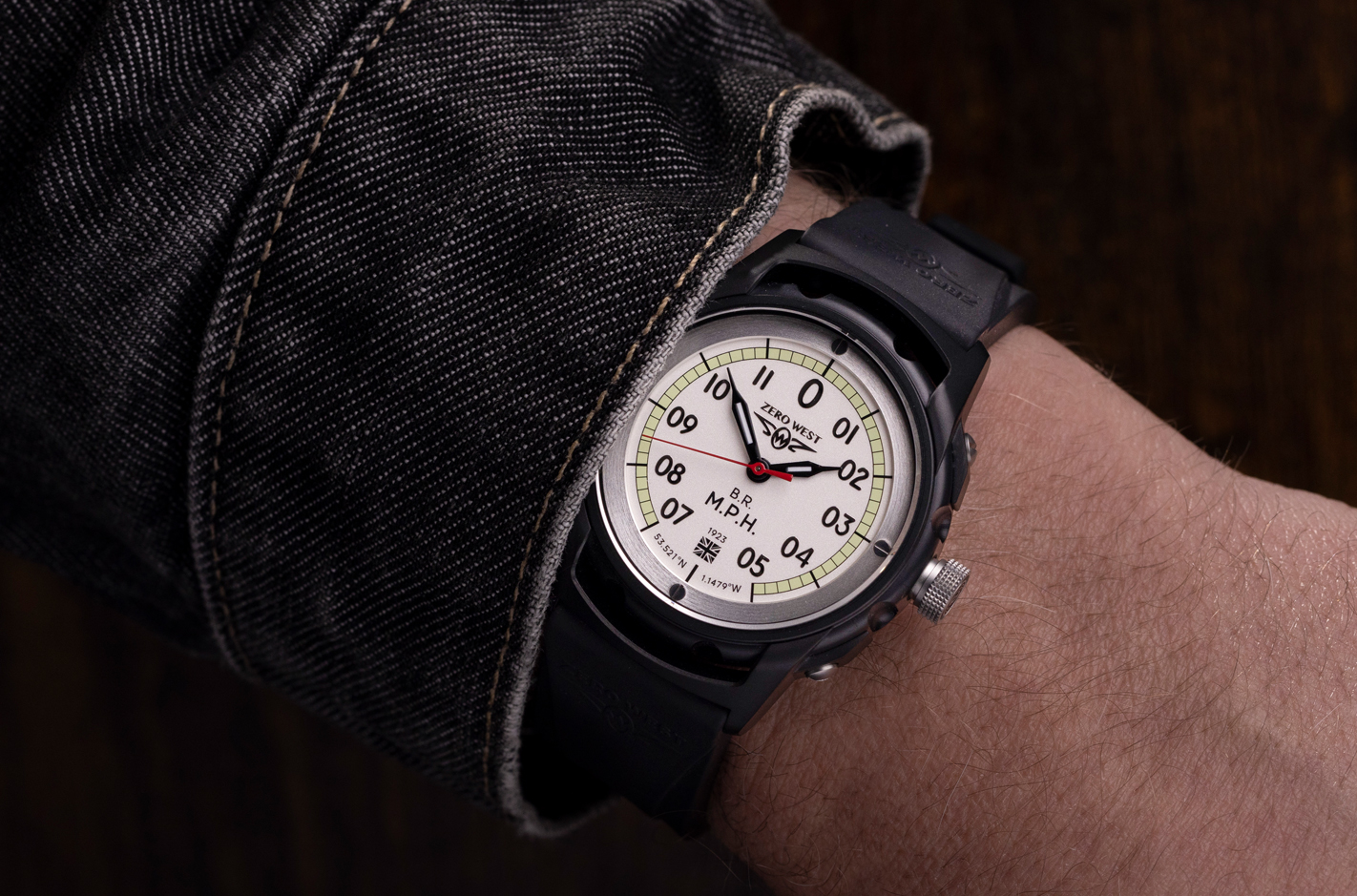
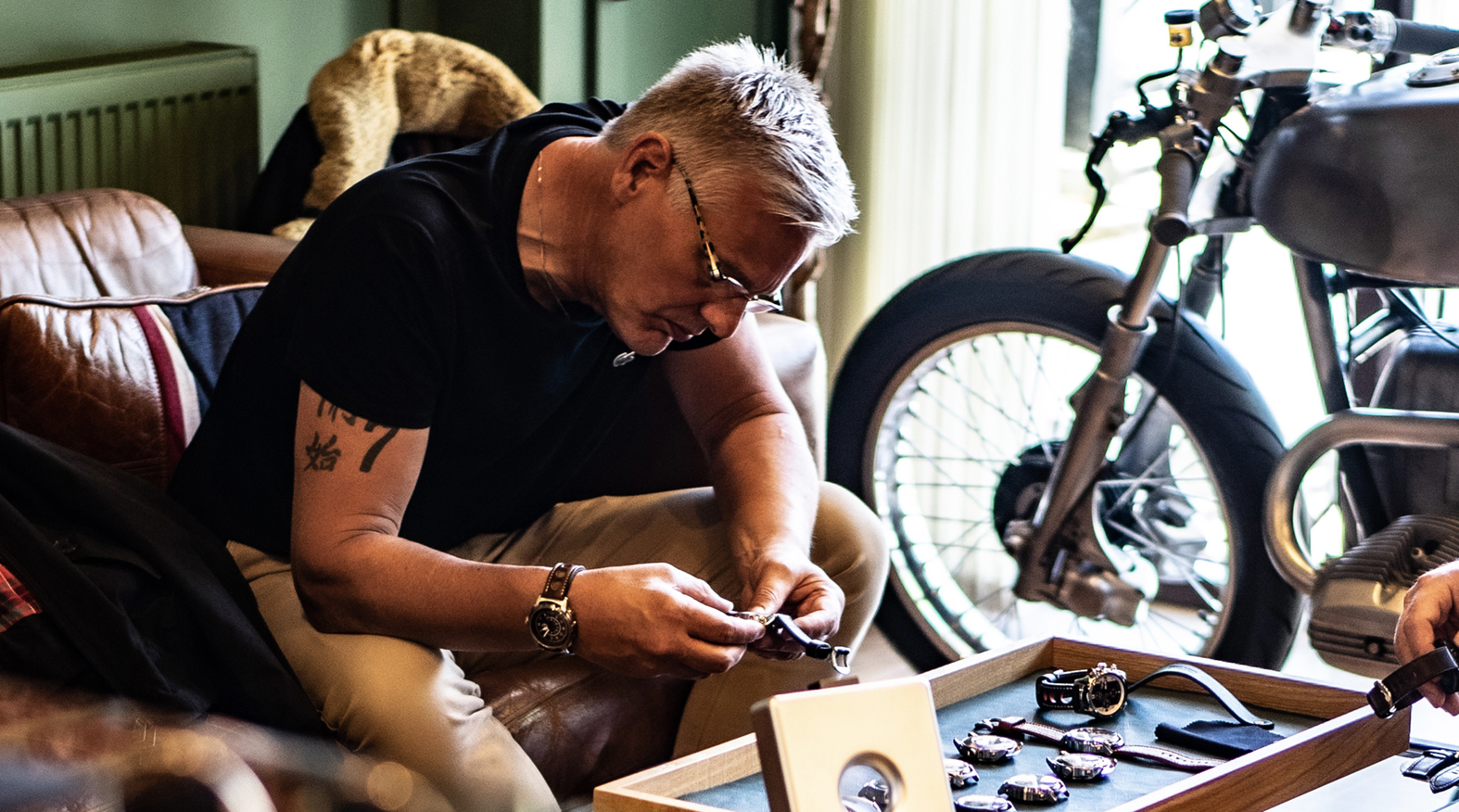
There’s something else about a wristwatch that I think we sometimes overlook. It’s an extraordinarily personal object.
For many men, it’s the only piece of jewellery they regularly wear. Yet a mechanical watch is much more than jewellery. It’s a functioning instrument.
And unlike most of the things we own, it can remain with us throughout our lives.
Think about it.
The clothes we wear are eventually discarded. Shoes wear out. Cars come and go. Phones are replaced, often every few years. But a good mechanical watch can accompany you through decades.
You put it on in the morning and it becomes part of your day. It’s there when you travel, when you work, when you celebrate, when you experience moments that matter.
It may be on your wrist when you get married, when your children are born, when you achieve something you’ve worked towards for years. And it’s there through the entirely ordinary days in between.
Quietly measuring the passage of time.
Over the years, the watch acquires a history that belongs entirely to its owner. A mark on the case might recall a particular journey. The strap may be replaced. The movement serviced. The watch continues doing what it was designed to do.
And one day, perhaps, it passes to a son, a daughter or someone else who will treasure it. The watch carries its own story into another life.
I find that idea rather wonderful.
Because when I design a watch, I’m not simply thinking about how it will look when someone first opens the box. I’m thinking about how it will wear, how it will perform and whether its design will still be appealing many years from now.
I want it to become something its owner values more with time, rather than less.
If someone were considering buying just one good mechanical watch to wear throughout their life, I’d like them to consider a Zero West.
Not because I believe everyone should own one. But because that’s the standard I try to design to. Something dependable, individual and enduring. A watch that rewards ownership, rather than merely attracting attention.
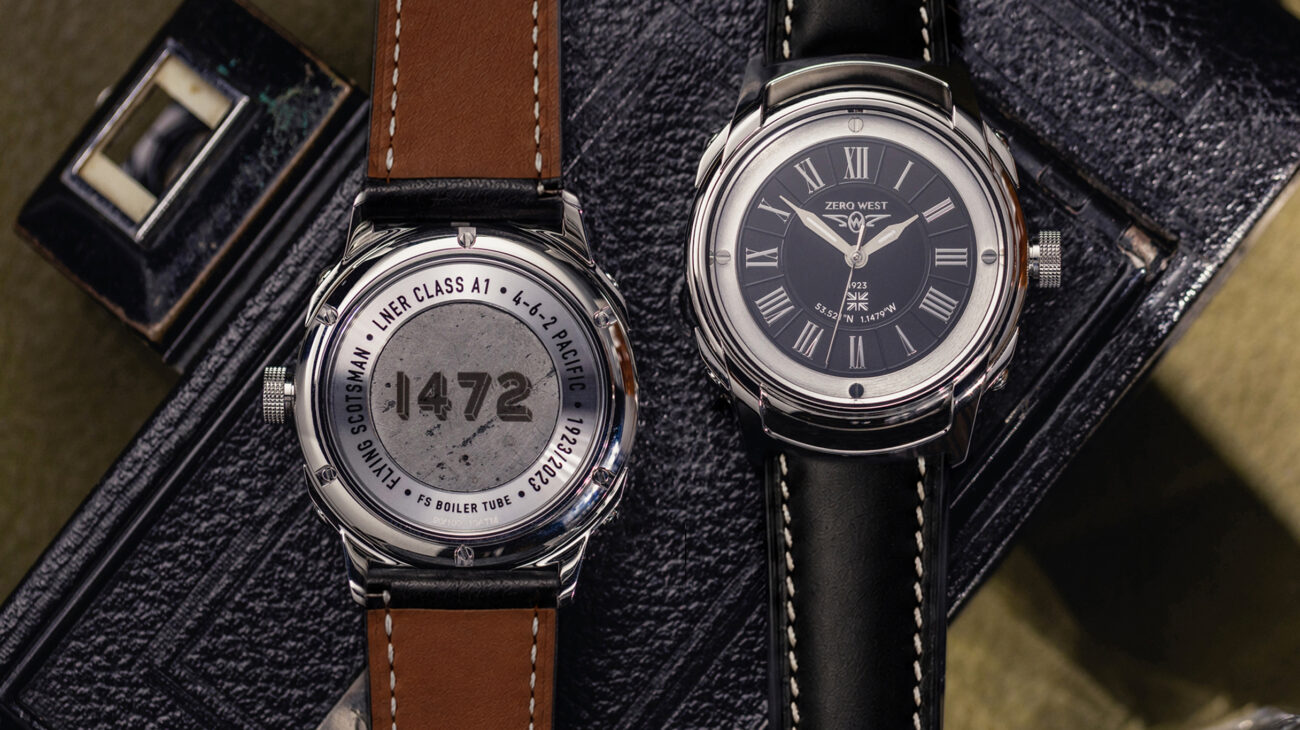
When I began my engineering career, I couldn’t have imagined that so much of what I learned would eventually find expression in something as small as a wristwatch. Yet that’s what Zero West has become for me.
The machines that fascinated me as a child. The engineers whose achievements I admired. The people I worked alongside and learned from. The drawing-board discipline, the mechanical understanding and the instinct for proportion developed over a lifetime.
It’s all there, in one way or another.
I don’t expect everyone to recognise those influences. And I don’t need them to.
But I hope that when someone picks up a Zero West, puts it on their wrist and lives with it, they’ll appreciate the thought and care that went into its creation.
Not simply as an object inspired by history, but as a contemporary mechanical instrument designed to become part of their own.
For me, a Zero West is a lifetime of engineering distilled into a mechanical watch. And my hope is that it will accompany someone through a lifetime of their own.
Graham Collins Co-founder and Designer Zero West Watches