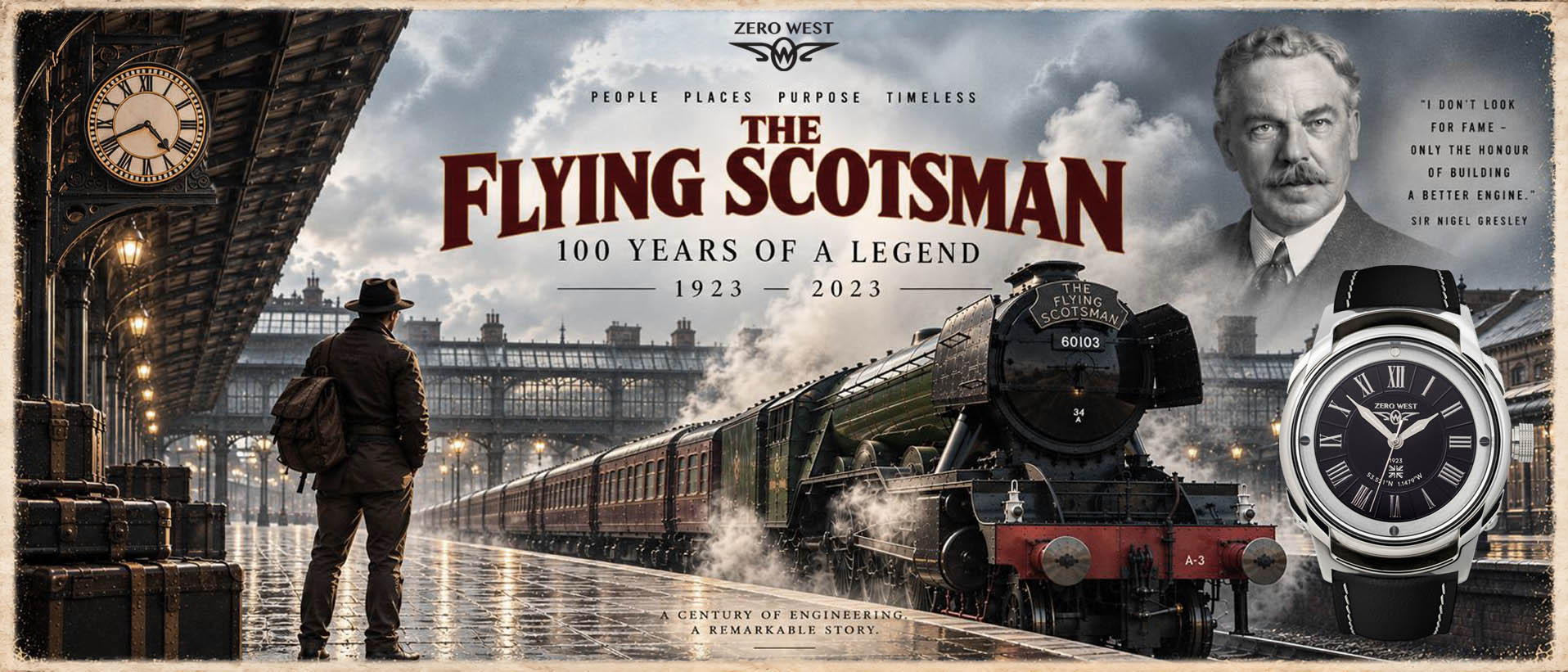
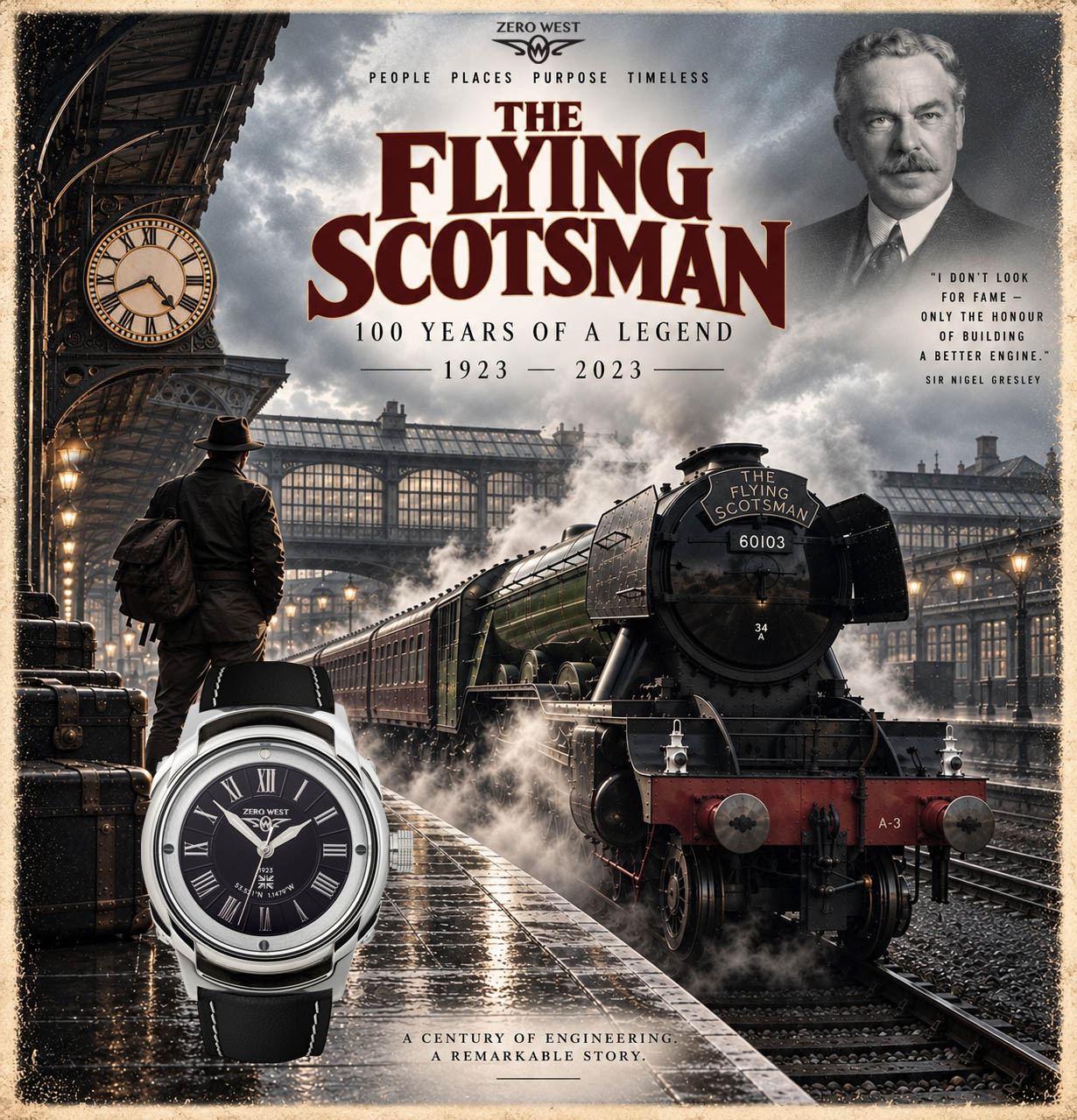
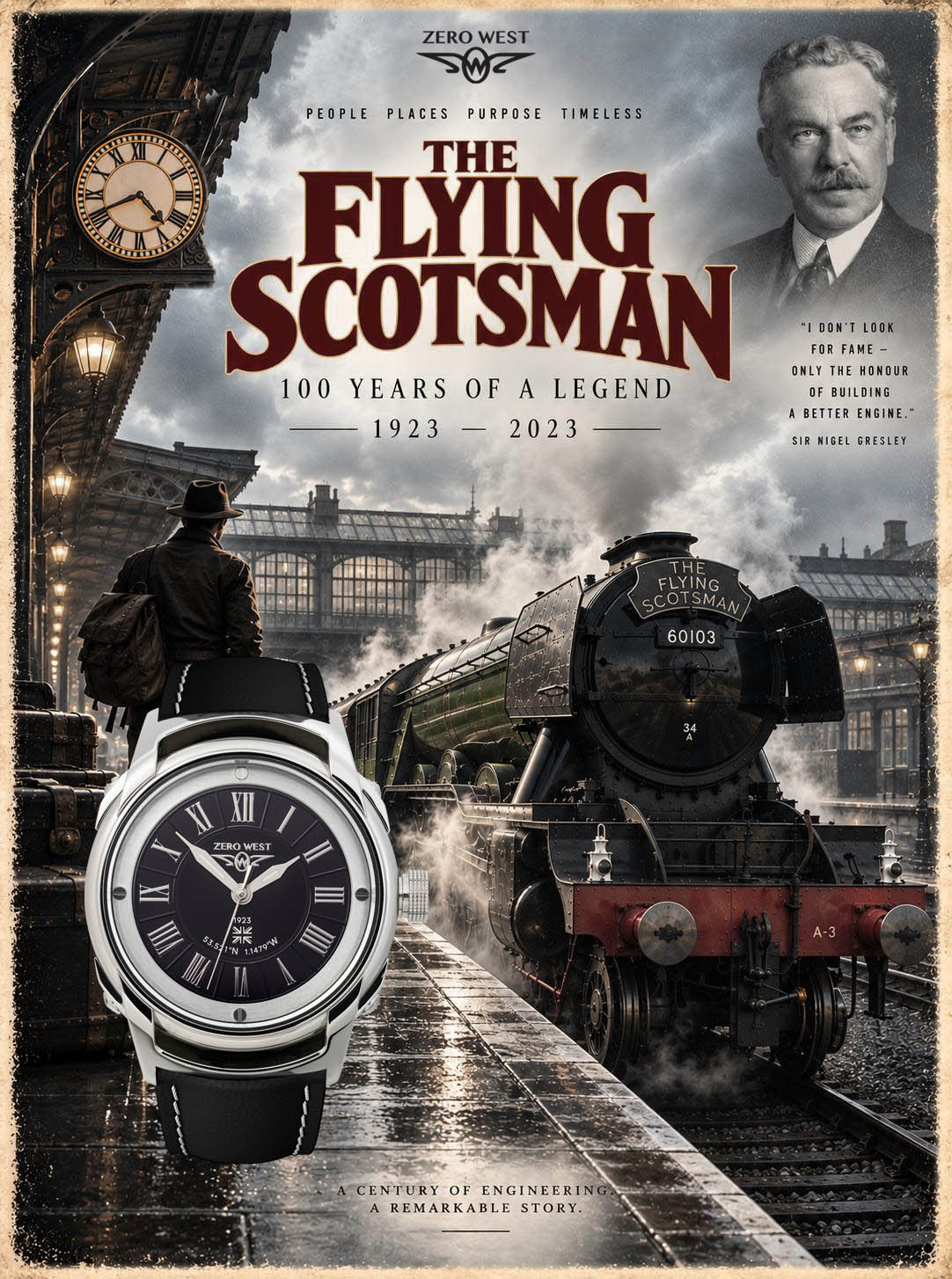
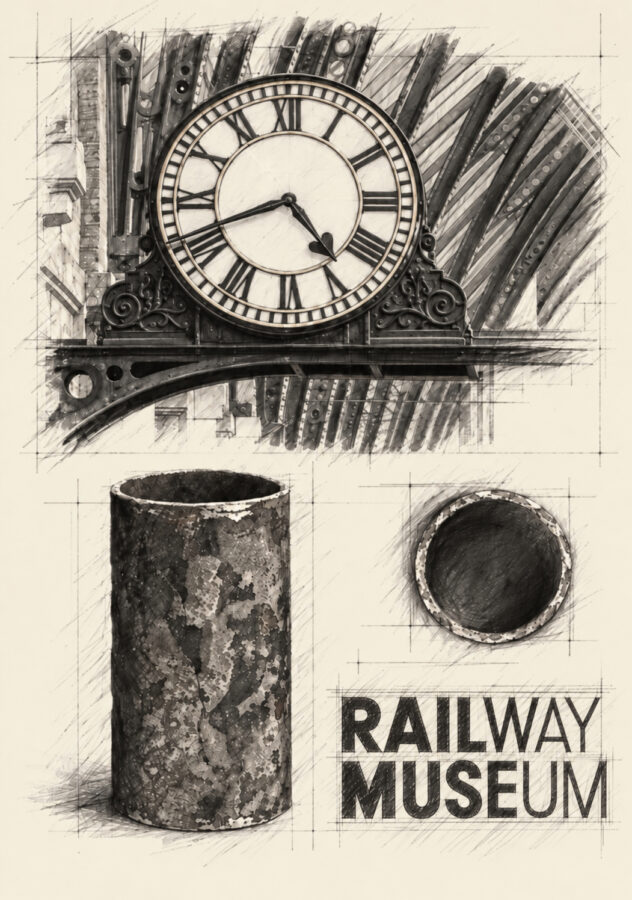
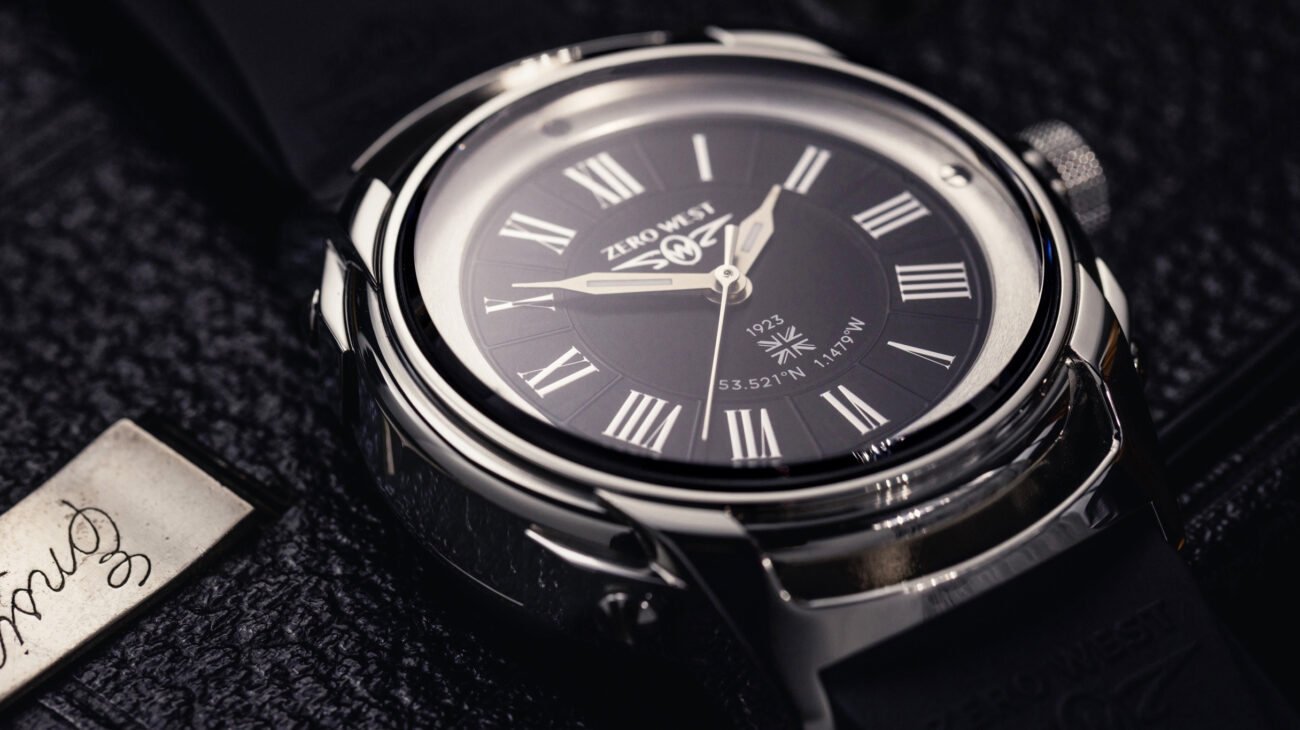
Created in partnership with the National Railway Museum to celebrate Flying Scotsman’s centenary, the FS-2 connects the locomotive with another icon of Britain’s railway age — the great station clock above Platform 8 at King’s Cross, the London starting point of its most famous journeys.
WHAT CONNECTS THE WORLD’S MOST FAMOUS STEAM LOCOMOTIVE, 100 MILES PER HOUR, THE LONDON–EDINBURGH ROUTE AND A HERITAGE WATCH?
MODEL:
FS-2 Heritage Watch
Dossier:
ZW-070 Flying Scotsman
Date:
24/02/1923
Coords:
53.521°N – 1.1479°E
Size:
41mm
Material:
Engine Boiler Tube
Edition:
Limited to 100 pieces
Build:
Order and dispatched within 4 weeks
01
INSPIRATION & DESIGN
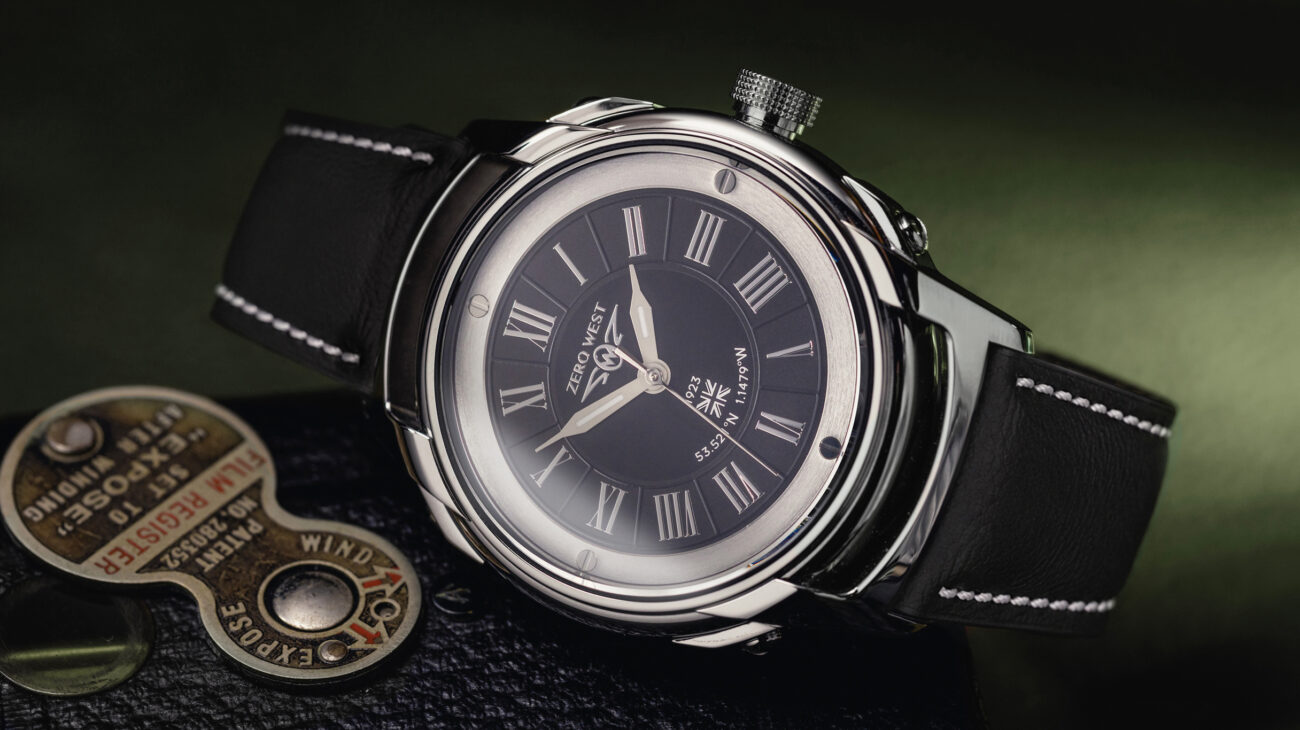
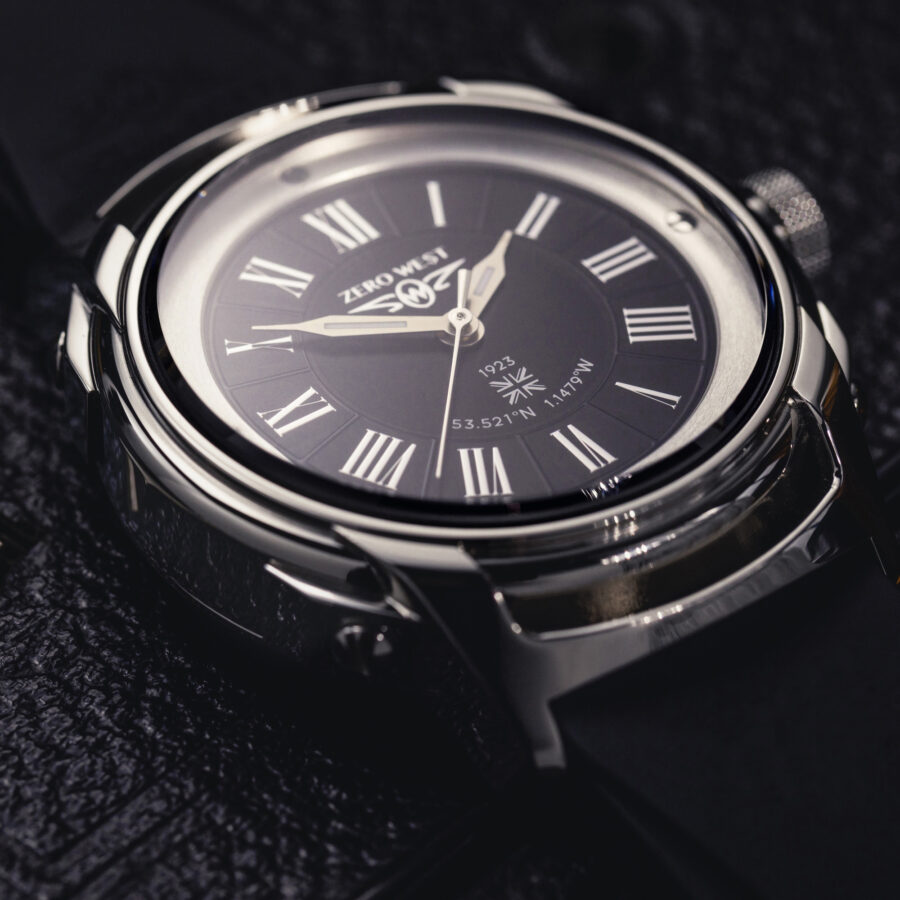
The dial reinterprets the clock’s strong graphic character, while coordinates locate Doncaster Works, where Sir Nigel Gresley’s locomotive was designed and built. The result deliberately feels part watch, part railway instrument — connecting time, place and the golden age of express travel.
On the reverse sits the most important detail: an individual disc made from steel boiler tube removed from Flying Scotsman itself. Reworked by Zero West while preserving its working patina, the material carries the physical evidence of thousands of hours spent powering the world’s most famous steam locomotive.
02
THE HISTORY
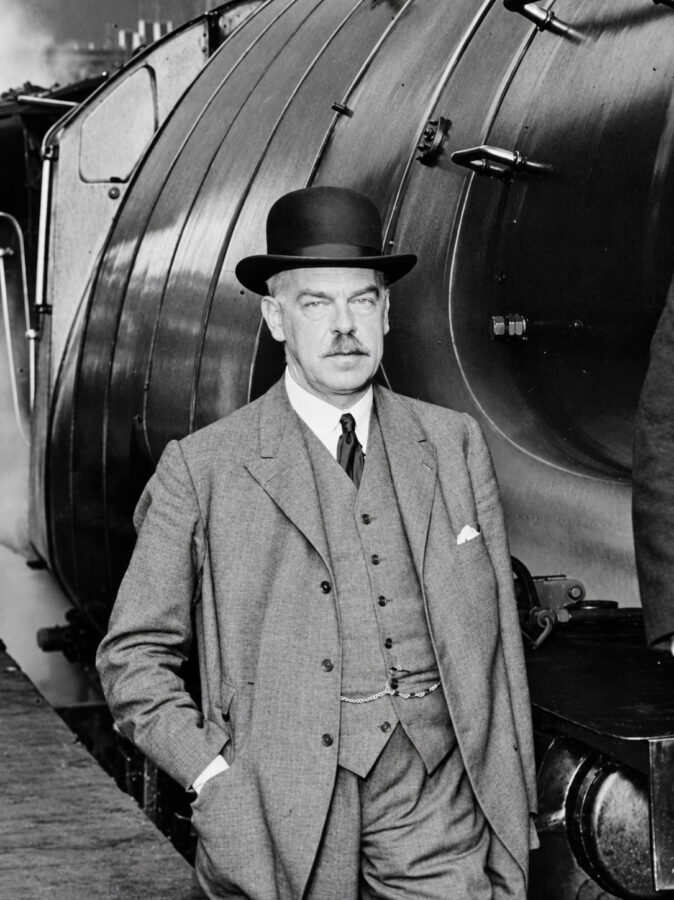
SIR NIGEL GRESLEY
One of Britain’s greatest railway engineers, Sir Nigel Gresley became Chief Mechanical Engineer of the newly formed LNER in 1923. His locomotives combined power, efficiency and elegance, culminating in machines that would become synonymous with the golden age of British steam.
BUILT AT DONCASTER
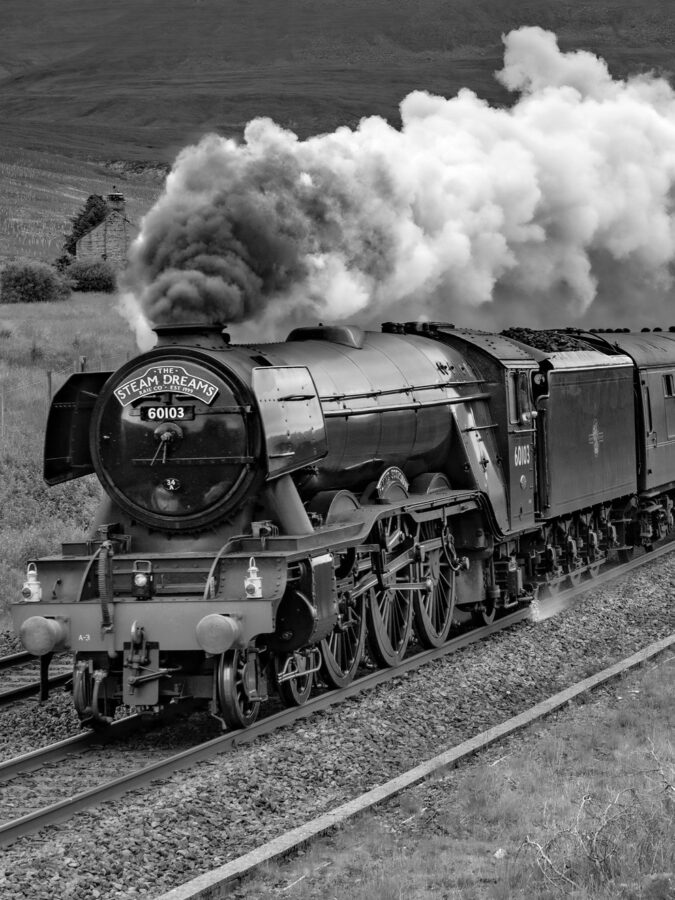
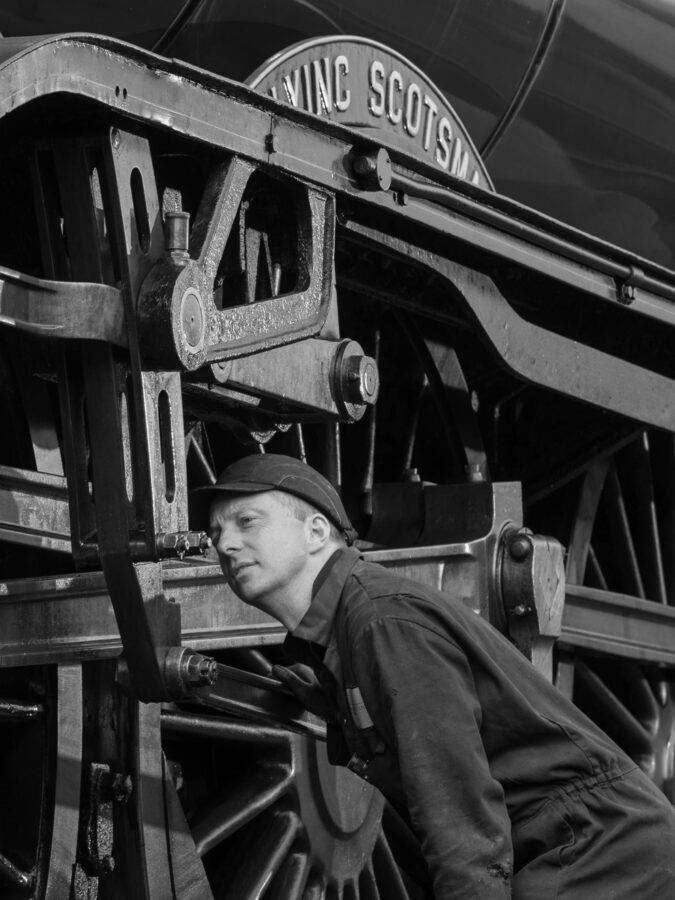
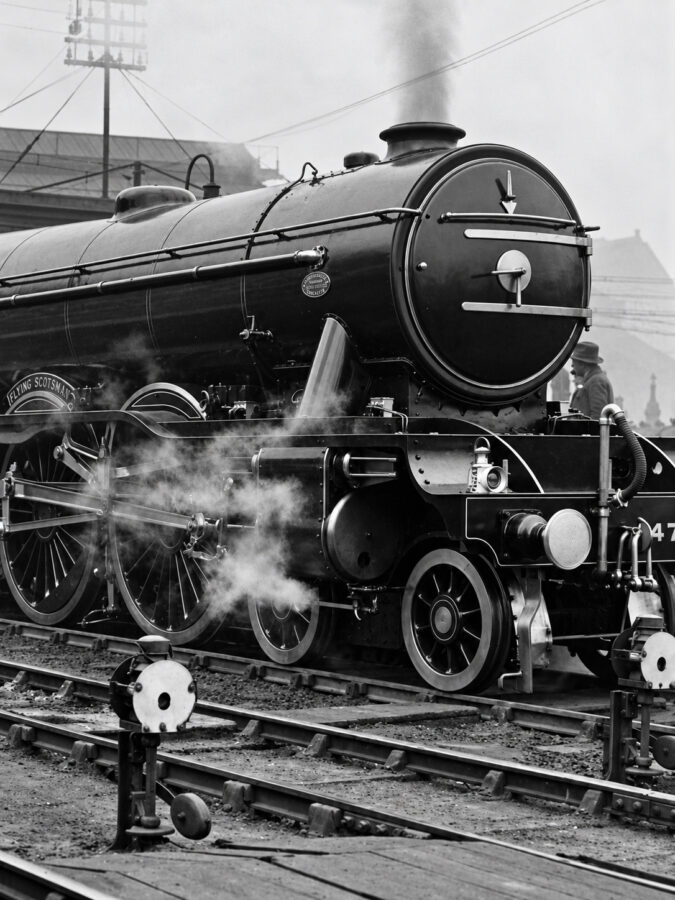
Flying Scotsman emerged from Doncaster Works in 1923 as an A1 Pacific locomotive, originally numbered 1472. Built to Gresley’s design for the newly formed LNER, it entered service on 24 February — beginning a working life that would ultimately span more than a century.
LONDON TO EDINBURGH
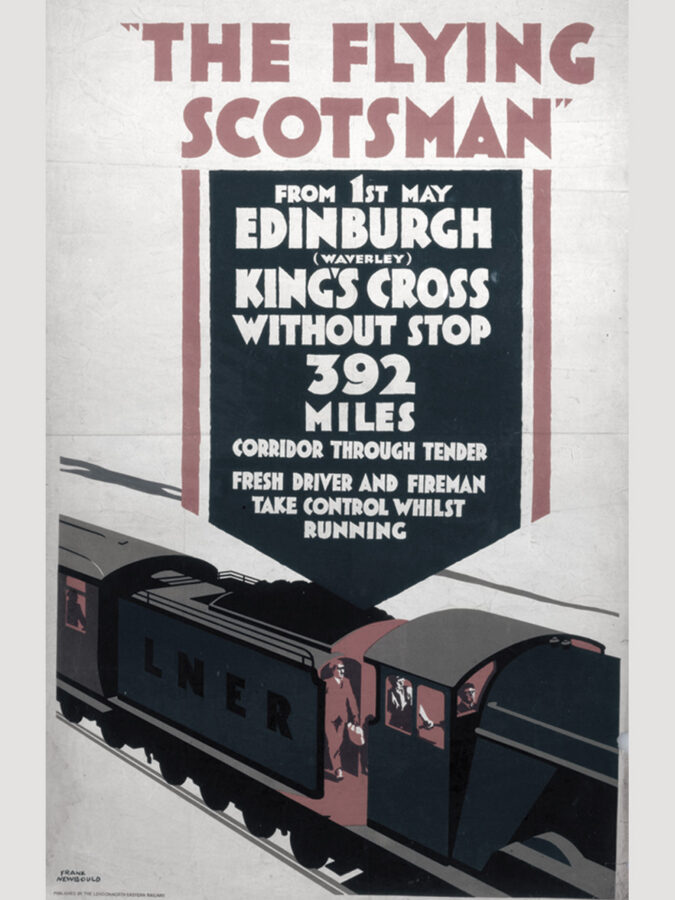
In 1928, Flying Scotsman hauled the inaugural non-stop London to Edinburgh service, completing the 392-mile journey without stopping. A corridor connection to the tender allowed crews to change while travelling, making one of Britain’s great railway journeys possible without interruption.
THE MAGIC 100
On 30 November 1934, Flying Scotsman became the first steam locomotive officially authenticated at 100mph. The achievement established its place in railway history and turned Gresley’s locomotive into an international symbol of British speed, engineering and technological ambition.
AN EVOLVING MACHINE
Flying Scotsman did not remain unchanged. Originally built as an A1, it was progressively improved and rebuilt to Gresley’s more powerful A3 specification, receiving a higher-pressure boiler and other developments that increased efficiency and performance throughout its long working life.
A NATIONAL ICON
Withdrawn from regular service in 1963, Flying Scotsman escaped the fate of many steam locomotives and entered preservation. It subsequently travelled internationally, including tours of the United States and Australia, becoming one of the most widely recognised steam locomotives in the world.
SAVED FOR THE NATION
In 2004, a campaign spearheaded by the National Railway Museum secured Flying Scotsman for the National Collection. A decade-long £4.2 million restoration followed, returning the locomotive to the main line in 2016 and ensuring its survival as a working piece of British engineering history.
100 YEARS OF FLYING SCOTSMAN
On 24 February 2023, Flying Scotsman celebrated 100 years since entering service. To mark the centenary, Zero West partnered with the National Railway Museum to create watches incorporating original boiler tube — preserving a small piece of the locomotive’s working history for another generation.
03
FS2 GALLERY
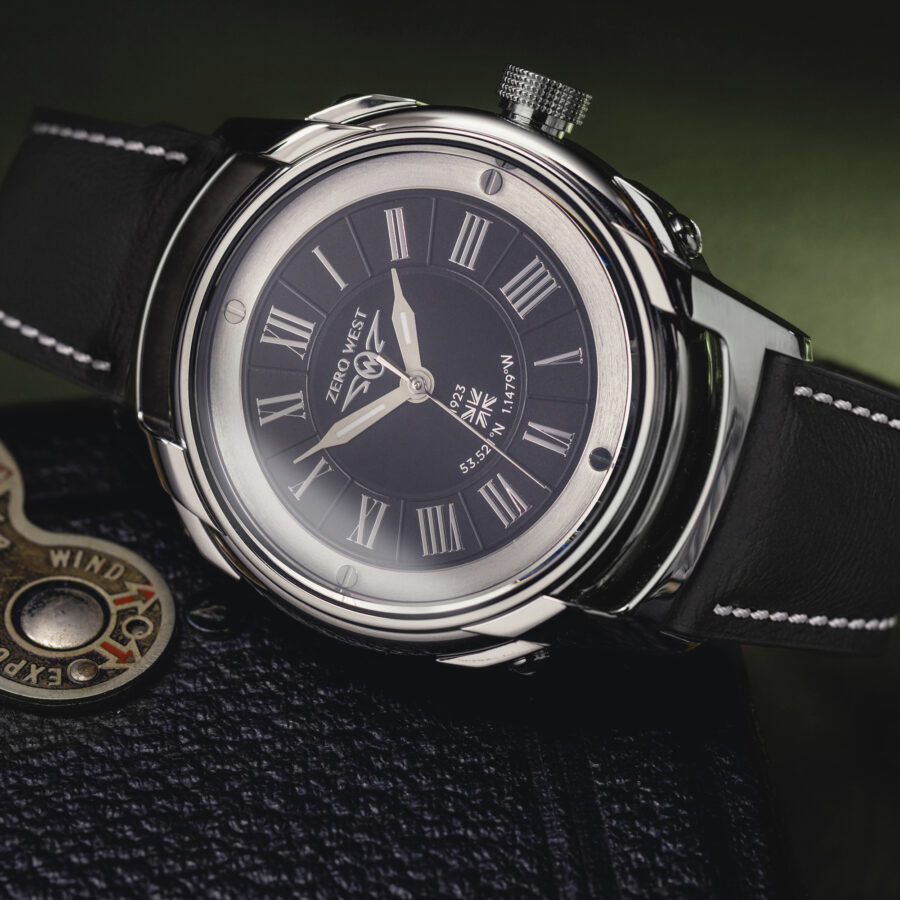
Built with boil tube from the Flying Scotsman










04
FS-2 SPECIFICATION
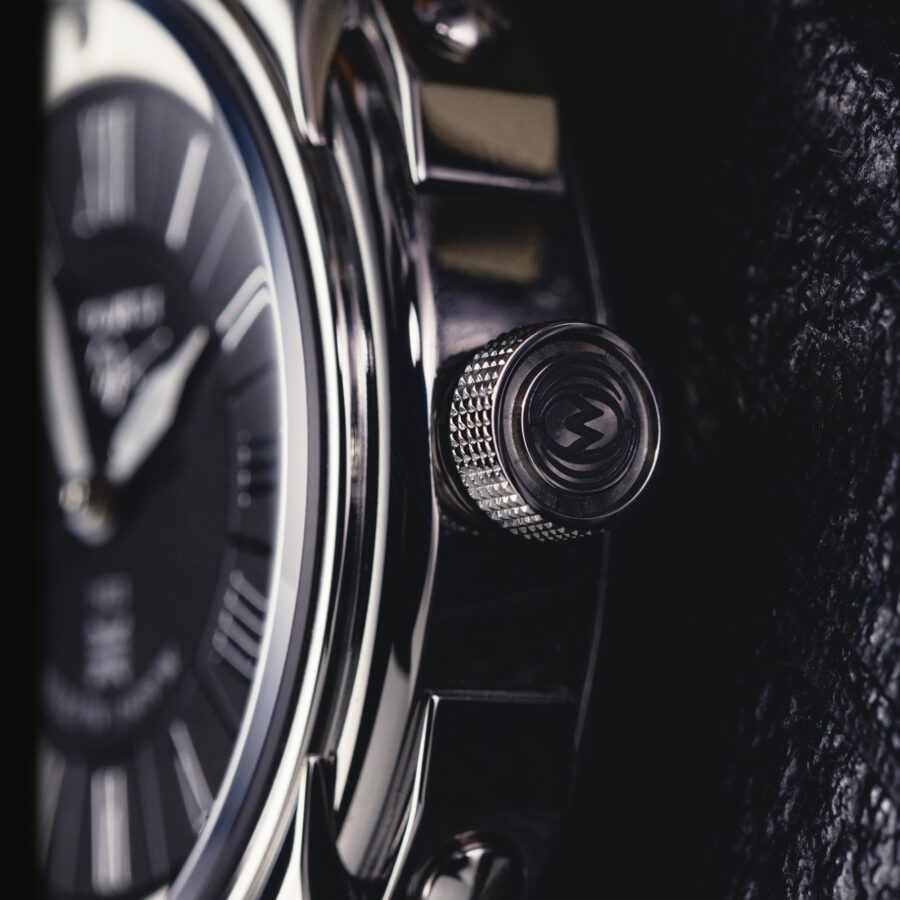
- The latitude and longitude reference Doncaster Works where Flying Scotsman was built with the dial taking its design cues from the famous clock on platform 8 at Kings Cross station.
- Hand-assembled, regulated, and tested in-house
- Five-axis, aerospace grade 316L stainless steel machining
- 41mm diameter
- 13.1mm thick
- 22mm lug width
- 46.30mm lug to lug pin spacing
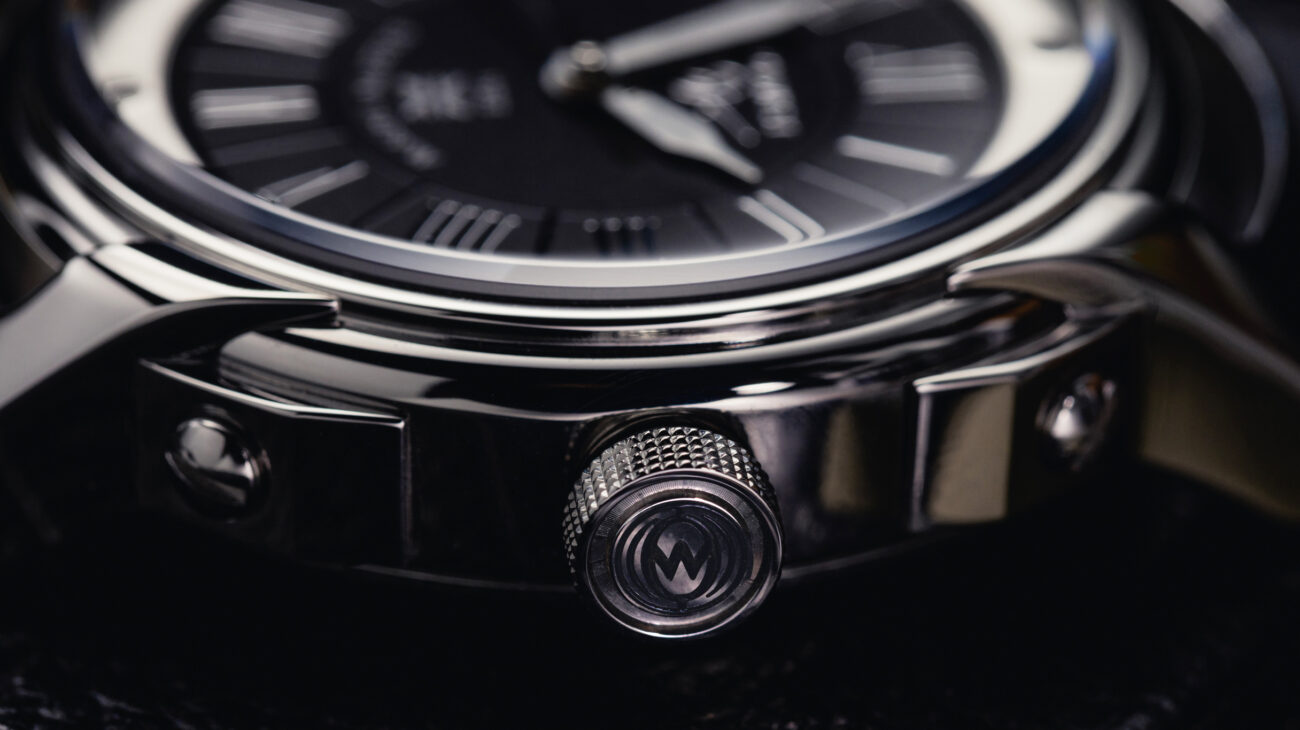
- 41mm diameter, 316L stainless steel billet machined & polished case
- Match machined & polished stainless steel DSL lugs
- Polished back displaying a diamond-turned aluminium insert housing the disc repurposed from Flying Scotsman boiler tube. This is set beneath a reverse printed sapphire crystal
- Water resistance: 10ATM (100m)
- Front: Custom sapphire glass crystal
- Rear: Custom flat sapphire glass with reverse printed graphic
- Sellita SW200-1 ‘Top Premium Grade’
- 28,800vph
- 26 jewels
- Self-winding ball bearing rotor
- Power reserve ~41 hours
- Black print over brass substrate with applied chrome roman numerals. Highlighted sections in clear satin
-
Black leather strap 22/20mm. Handmade with the finest Italian leather and hypoallergenic lined. Zero West polished pin buckle. Available in standard size 175mm-220mm
05
Order the FS-2 Flying Scotsman

S6e Spitfire Escape
BUILT TO GO THE DISTANCE – Inspired by the golden age of steam travel and the enduring legacy of the Flying Scotsman. The FS2 is built with original boiler tube from the legendary locomotive, combining authentic railway heritage with purposeful engineering and refined mechanical design. Own a direct connection to one of the great icons of British steam travel.
£3,600.00
Delivery within 4 Weeks
Free Delivery
Delivery within 4 Weeks
Includes all import-duty and local taxes. No additional fees.
Delivery within 4 Weeks
Excludes local taxes & duties. Learn More
BUILT TO ORDER

BRITISH ENGINEERING





30 DAY RETURNS

2 YEAR WARRANTY